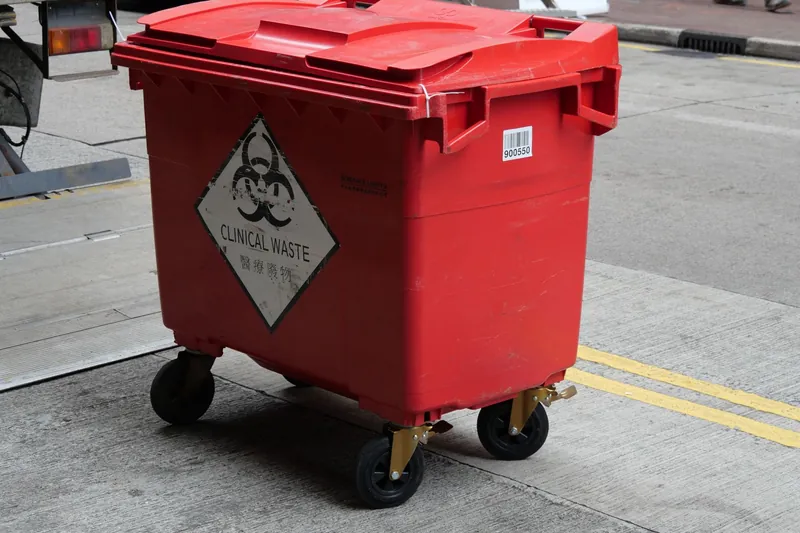
Medical Waste Removal
After medical waste removal, disposal takes place through approved treatment facilities.
See medical waste removalGet sealed pickup and proper disposal of blood-contaminated materials, sharps and cleanup debris in WJ Landes. The waste is separated, packaged, labeled and taken to an approved facility.
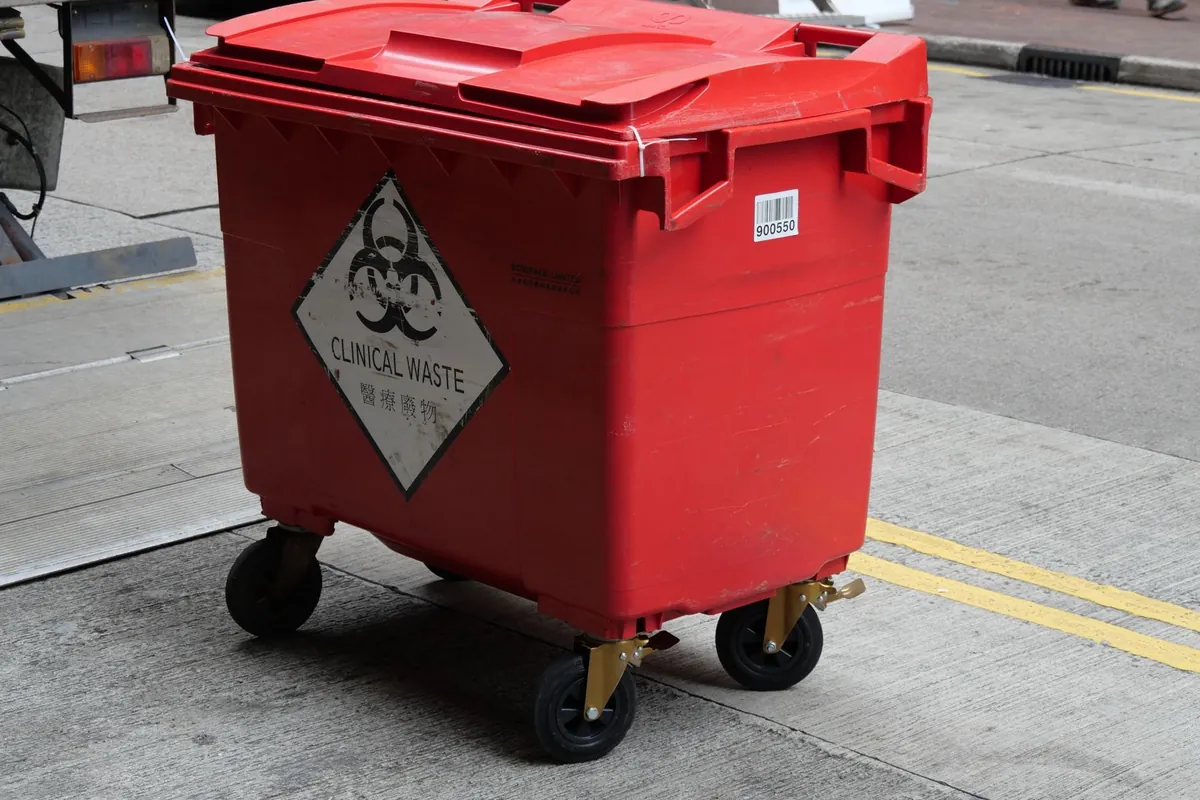
Biohazard waste disposal means safely isolating contaminated materials, packaging them correctly and arranging collection and transport for approved treatment. The waste may contain bodily fluids, other potentially infectious material or blood.
This service is for waste left after blood cleanup, trauma cleanup, death cleanup, a workplace exposure or another biohazard cleanup. It can include absorbent materials, disposable protective gear, contaminated personal property and sharps. The waste type matters because bags, rigid containers and pickup requirements are not interchangeable.
The first part of pickup is confirming the material present and the way it has been contained. If packaging is unsafe, technicians can correct it, then label and close each container. They move the load while preventing contamination from spreading and create a record of its destination. This can be the final stage of biohazard cleaning or remediation. A disposal facility applies an approved treatment appropriate for that waste under the applicable rules.
Instead of assuming valued items are waste, crews set them aside so you can examine them first.
You receive an explanation of container contents, pickup steps, applicable documentation and the role disposal plays within the wider remediation process.
Available collection and disposal paperwork can help document your property, workplace or insurance file.
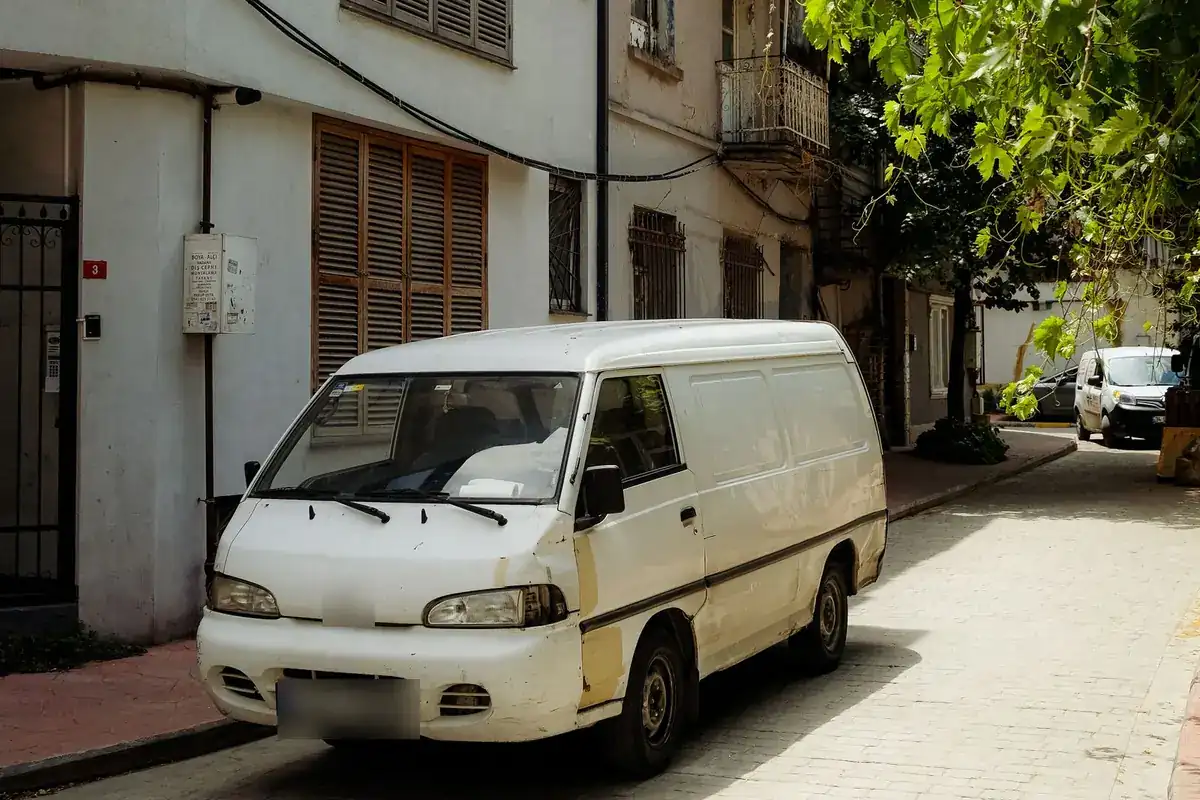
Crews arrive in unmarked vehicles and control sealed containers throughout movement across the property.
When contaminated material is unsafe to leave at a property and does not belong in the regular trash stream, biohazard disposal is necessary. Typical reasons for arranging pickup include:
Routine waste from a dental office, small office or another workplace requires scheduled pickup and clear documentation.
Hoarding cleanup or an eviction can uncover contaminated debris, bodily fluids or discarded sharps among ordinary waste.
Needles, lancets and broken contaminated glass need rigid, puncture-resistant containers rather than bags.
Gauze, absorbent materials, protective gear and other items contain contamination from blood or bodily fluids.
Your first actions should prevent contact, punctures and contamination of surrounding areas. During an emergency response, leave the waste in place unless moving it prevents immediate harm. Before pickup technicians arrive:
Call (888) 351-0904Per-pound disposal figures in published medical-waste guides start at 30 cents and reach 80 cents. A separate guide reports a medical waste range beginning at $2 and ending at $20. Published monthly examples extend from $75 through $200 in the case of a small physician practice. Dental office figures begin at $50 and finish at $175 when stated monthly. Use these related ranges for context only. They do not quote every biohazard pickup. Your price reflects waste category and weight, containers, transportation and collection frequency.
The figures shown are national ranges from published cost guides and are not based on an on-site visit. After an on-site assessment, the price for your property is determined and shared with you before cleanup begins.
Ask about cost: (888) 351-0904Insurance can cover required waste disposal when it forms part of cleaning up a covered event. Waste created through routine business operations is generally an operating expense, rather than a property insurance claim.
Ask whether the insurer needs photos, the cleanup scope, container count, invoices or waste records before the claim can move forward. Insurance companies may request different records, so confirm the list for your claim.
Homeowners or renters insurance is usually the first place to ask about cleanup costs. After a death the estate often pays, and in a rental the owner usually arranges the cleanup.
Ask whether your insurance company covers cleanup, disposal, contaminated material removal and restoration services after your specific event. The policy terms and your deductible remain in effect.
Routine collection is generally arranged as an operating expense by the business that produces the waste. Store disposal and pickup documentation in your workplace files.
Identification starts a controlled biohazard disposal path that finishes with treatment records. Throughout the cleanup process, incompatible categories of waste are kept apart. The steps are designed to limit contact with hazardous materials from start to finish.
Cleanup technicians identify the waste, check the affected areas and note any loose sharps, liquids or damaged containers. Needed containers vary in every situation.
Technicians wear suitable protective gear and keep sharps, soft contaminated waste and other regulated materials in their correct streams.
Workers use suitable bags or containment for soft contaminated materials and rigid, puncture-resistant containers for sharps.
Workers close each container without compacting the contents, then add markings required for the waste category and destination.
Sealed containers follow a planned route, remain upright where necessary and are secured before transportation.
Packaged material travels under state requirements to a medical waste facility approved to receive it.
At the receiving facility, the waste undergoes an allowed treatment method before the disposal process is completed.
The business, property owner, insurance company or other responsible party can retain available pickup and treatment documentation. Ask at every step which records are available and which documents cover the entire process.
Call at any time. You speak with a biohazard waste disposal specialist who outlines the process and schedules a start time with you.
Biohazard waste creates serious health risks if you move, compact or sort it without suitable protective equipment. You could contact bloodborne pathogens, suffer a cut or spread contamination onto surfaces. Keep away from loose material, leaking containers and waste containing sharps while the pickup service assesses it.
Facing waste after a serious injury, unattended death or suicide cleanup can be upsetting. You are not expected to personally sort materials left behind after a painful event. While technicians evaluate the waste, keep loved ones outside the affected area.
An open, damaged or overfilled container can contaminate floors, vehicles and nearby personal property during movement.
A needle or broken contaminated item can pierce a soft bag and cause an exposure. Use rigid, puncture-resistant sharps containers for all sharp items.
Can you clean it yourself? A small amount of fresh blood on a hard, non-porous surface can be cleaned with gloves and an EPA-registered disinfectant used for the full contact time on its label. Professional cleanup may be necessary, along with waste disposal, when blood enters wood, carpet, drywall or a space with boundaries you cannot locate.
What the waste contains controls both its container and its path to disposal. At pickup, regulated biohazard material is sorted away from regular garbage and anything assigned to another waste stream. If removal included contaminated drywall, flooring or similar building materials, the property may need restoration work afterward.
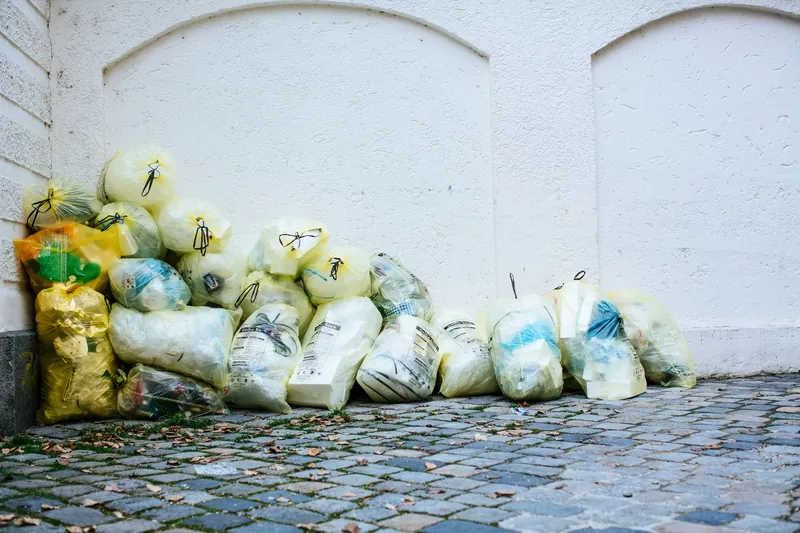
Biohazard waste pickup time is determined partly by whether materials have already been sorted, sealed and prepared for movement. The type and quantity of waste also affect scheduling, as does finding a receiving facility able to accept it.
| Scene | Typical time on site |
|---|---|
| Sealed, correctly labeled containers | After confirming contents and container count, pickup can move ahead |
| Loose waste or unsafe packaging | Separating and repackaging the materials requires additional time |
| Mixed materials or an uncommon waste type | Confirmation of both acceptance and the disposal route comes first |
Odor from a biohazard area is not solved by taking away a sealed container alone. If contaminated material remains under flooring, inside a wall or on personal property, the source must be found and removed before deodorizing the room.
After removing the source along with the waste, clean the affected area and treat it using an EPA-registered disinfectant for every minute of contact time on the label. HEPA air scrubbers may be used to support air quality during remediation. Fragrance is not surface disinfection and cannot fix hidden contamination.
The full biohazard waste disposal guide covers what is cleaned or removed, odor and air quality work, and the rules that apply in your state.
Read the full biohazard waste disposal guidePlanning for access, containment and cleanup can depend on local population, housing and entry conditions.
If direct exposure occurs, the closest listed emergency option is O U Medical Center, about 1.7 miles away, not the cleanup site.
Nearby communities include Downing Schmitt, McNabb and Hunt, and Hares Lincoln Boulevard, useful geographic references when explaining a property location to a cleanup crew.
As an Oklahoma City neighborhood, WJ Landes may include several building styles, so cleanup planning should start with the exact property type.
Nearby community names help with orientation, but only the exact scene determines how needles and contaminated waste must be contained.
Ask on the call about cleanup options for neighboring communities and ZIP codes.
After medical waste removal, disposal takes place through approved treatment facilities.
See medical waste removal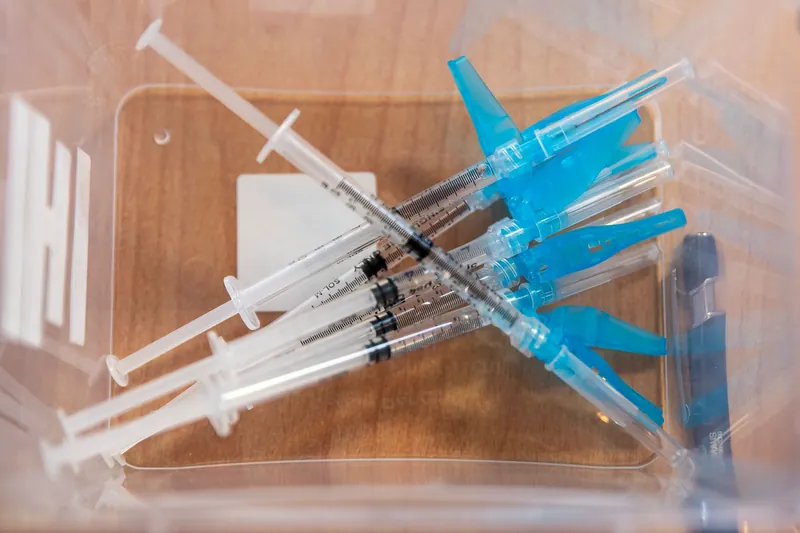
Cleanup removes sharps and needles from parks, rental sites, yards and encampments.
See needle and sharps cleanup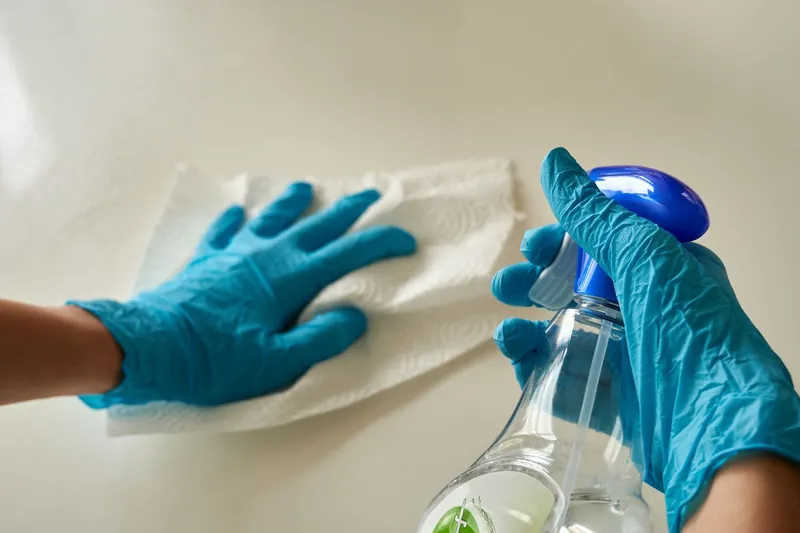
Carpet, solid floors, walls and furnishings receive blood cleanup that includes safe disposal.
See blood cleanup
During cleanup, blood exposure involving hepatitis C, HIV and hepatitis B is controlled.
See bloodborne pathogen cleanup
Across care settings, commercial spaces and homes, bodily fluid cleanup includes disinfection.
See bodily fluid cleanup
Blood, body fluids and other infectious materials are removed, followed by property disinfection.
See biohazard cleanup
Commercial and industrial sites receive biohazard cleanup arranged around operating needs and site access.
See commercial and industrial biohazard cleanup
Biohazard cleanup for clinics, care homes and healthcare facilities.
See hospital and healthcare biohazard cleanupSealed containers are transported to an approved facility able to receive the particular waste stream. After using a permitted treatment for the material, the facility completes its disposal. You may save the available collection and treatment paperwork for a property record, insurance claim or business file.
Keep every needle and sharp object out of soft biohazard bags. The proper container is rigid, puncture-resistant and closable without the need to reach into it. If other debris conceals loose sharps, block everyone from the area and leave separation to technicians with suitable equipment.
A biological hazard may exist when human waste is mixed with bodily fluids or blood, or may carry pathogens. Your safe response depends on the material's source, amount and affected surfaces. Keep everyone clear and avoid touching the material. Ordinary trash procedures are not appropriate when a general cleaning service encounters unknown biological material. Find out from a cleanup service what steps apply to cleaning, containing and discarding the material.
After identification and separation by type, biohazards are put in properly labeled, closed containers for transport to an approved facility. An allowed treatment for the material is applied at the facility before its disposal record is completed. Because sharps may pierce soft waste bags, their containment route remains separate.
Begin with material identification, then block entry into the affected area. Soft contaminated items and sharps need different containers. Close and label the container as required, secure it for transport and use an approved receiving facility. Retain required records for treatment or pickup with workplace or property documentation.
Do not place blood-contaminated cleanup debris, loose sharps or an unknown biohazard in household trash. The type of material and your location determine the requirements. A pickup service can determine suitable containment and the proper route for disposal. Specific local guidance may apply through programs for household sharps.
Respectful, discreet biohazard waste disposal is available 24 hours a day, and crews arrive in unmarked vehicles.