Bodily Fluid Cleanup
Bodily fluid cleanup and disinfection for homes, care settings and businesses.
See bodily fluid cleanupGet blood, bodily fluids, human waste, sharps and contaminated materials removed from a jail, holding cell, booking room or detention area in Wayne after authorized staff release the space.
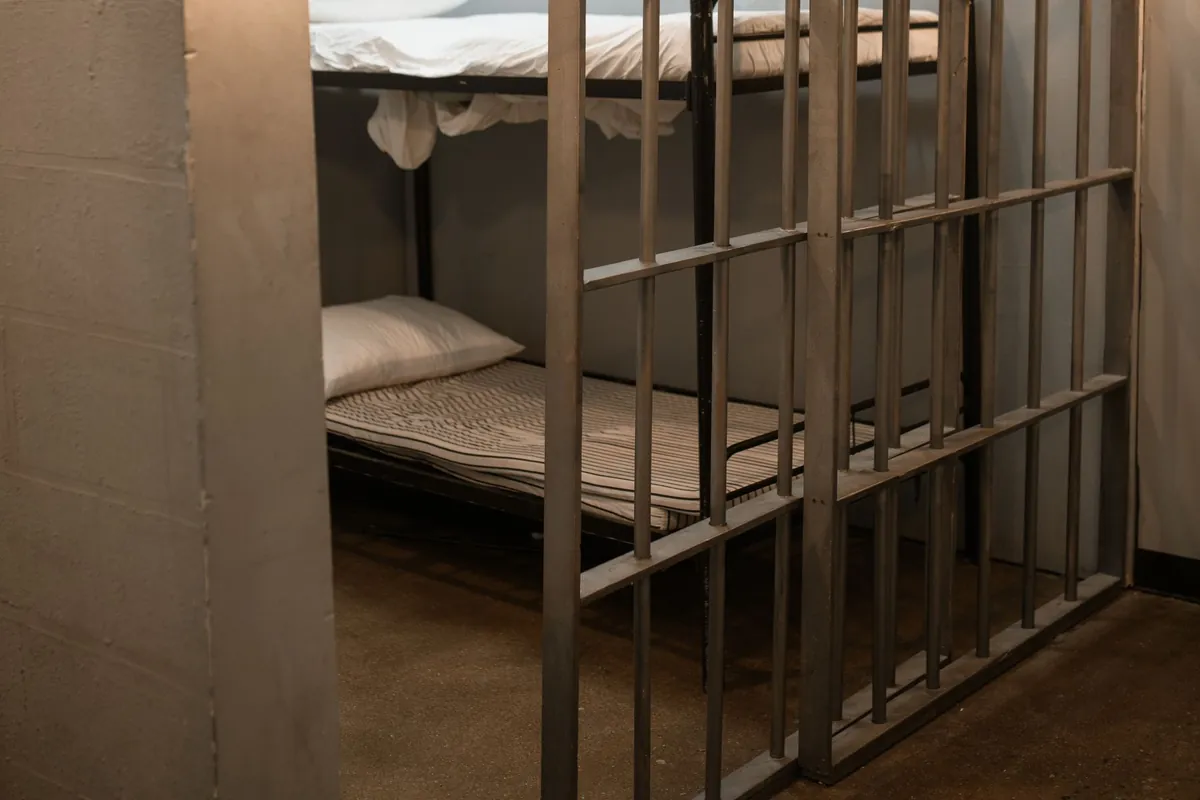
Jail and holding cell cleanup removes contamination under controlled conditions, including human waste, blood, sharps, bodily fluids and affected materials, from interview rooms, secure related spaces, cells and booking areas, with cleaning, odor treatment and disinfection afterward.
This cleaning service starts after the facility confirms the area is no longer part of an active investigation. Correctional staff keep control of access, keys and occupant movement. Cleanup technicians focus on the affected area and surrounding areas where shoes, equipment or fluid may have carried contamination.
The remediation process is different from routine janitorial cleaning. Cleanup technicians use protective equipment, separate clean and contaminated zones, remove materials that cannot be disinfected and apply an EPA-registered disinfectant for the full contact time on its label. Hazardous waste and sharps are packaged for the correct waste stream under applicable rules.
Items held as personal property or marked as evidence remain where they are until your authorized representative gives direction.
Insurance companies, property owners and facility files may use available waste records, scope notes and photos where permitted.
Every situation may involve its own entry points, staff escort rules, limited hours and controls on movement. Sharing those details helps your facility plan the work around its security needs.
Before reopening the affected area, you get a defined scope covering included cleaning services such as material removal, disinfection, waste disposal and odor treatment.
An ordinary custodial response is not enough for contamination involving porous materials or a larger spill. Situations that need professional cleanup include:
For feces on solid surfaces or inside bedding and porous materials, the required steps are controlled removal, surface cleaning, disinfection and odor removal.
Floors, drains, benches and frequently touched surfaces in a confined space can be affected by urine, vomit or other bodily fluids.
Following an injury, medical event or altercation, blood may spread to hardware, floor joints, walls and bunks. Assessment should cover both the apparent area and surrounding transfer routes.
Once authorized staff complete evidence work and release the area, biohazard remediation may be needed in a cell, booking space or interview room.
Before cleanup technicians come into the area, these initial steps help preserve evidence, protect staff and prevent contamination from spreading:
Call (888) 351-0904Jail-specific cleanup pricing is not available in credible published guides. General biohazard cleanup comparisons put the residential average between $1,800 and $4,500 for residences. They show $3,000 to $5,000 as a typical national range. The guidance places most residential projects within the $2,500 to $8,000 range and shows a full span from $1,500 to $25,000 overall. These amounts do not set a jail cell price. Facility pricing follows an assessment of the scope.
These ranges come from published national cost guides, not from a site visit. An on-site assessment determines your property's price, which is explained to you before the cleanup starts.
Ask about cost: (888) 351-0904The facility or the public or private entity responsible for its operation usually arranges payment. The exact path depends on the property, contract, incident and insurance terms.
The facility should notify the insurance company, retain its claim number and ask which scope notes, photographs and waste records are needed if coverage may apply.
Your purchasing contact or administrator can confirm which approved purchase order, work order or emergency procurement process applies at the location.
Keep the incident reference, approved scope, completion photos when allowed and waste paperwork. For insurance assistance, ask which records the insurance company can receive while protected information stays confidential.
Responsibilities may differ among a building owner, private operator, municipality and county. Payment authority depends on the relevant contract together with facility policy.
The cleanup process is planned around facility security and the type of contamination. Every step should keep clean areas separate from the affected area and leave a clear record of work completed.
The released area is assessed with the facility contact so technicians can note visible contamination and potential transfer paths while leaving possible evidence undisturbed.
The work boundary is marked inside the secure area. The fluids, sharps and materials in the area determine which protective equipment technicians use.
Approved puncture-resistant containers receive needles and all other sharp items immediately. Bags holding loose contaminated material are not compressed manually during collection.
Porous items, including damaged wall material, bedding and bare wood, require removal when fluid penetrates them too deeply for full disinfection. After biohazard cleaning, needed repairs and restoration services are evaluated as separate work.
Visible soil must first be removed from solid surfaces. Next, an EPA-registered disinfectant is used, with the surface kept wet for the entire contact period on the label.
Equipment including hydroxyl generators or HEPA air scrubbers may help treat the air when the assessment calls for it and the source is already gone.
Waste containers are closed, labeled and moved through the required disposal process. Available paperwork may be stored as part of the facility incident record.
Inspect affected areas for overlooked surfaces, remaining soil and cleaning product residue left behind. A designated facility contact verifies the finished scope before allowing the room back into use.
Call any hour. A jail and holding cell cleanup specialist answers, explains the steps and agrees a start time with you.
Serious health risks can come from bodily fluids, concealed sharps, human waste and blood, affecting correctional staff, people held in the facility and anyone who cleans the area.
Fluid can reach hidden places, including behind fixtures, below fixed bunks and within flooring joints. Footwear, restraints or carts can also carry it into surrounding areas that look clean.
A person may be injured, or a bag pierced, by blades, needles and sharp pieces. Place them in a puncture-resistant sharps container, then follow the required waste disposal process. Leave any other unknown hazardous materials where they are until the facility determines the appropriate safety steps.
Hepatitis B, hepatitis C and HIV may be present in blood. According to the CDC, hepatitis B remains viable on surfaces for at least seven days, which means dried blood needs careful cleaning and disinfection.
Can you clean it yourself? The facility's procedure identifies who can address a small spill. Anyone doing the work needs an EPA-registered disinfectant kept wet for its required contact time, plus suitable protective gear. Seek professional cleanup if contamination covers a broad area, is concealed, involves sharps or has soaked into porous surfaces.
Hard surfaces without pores may often remain after they are cleaned and disinfected. Materials with pores must be removed if absorbed fluid lies beyond the reach of cleaning.
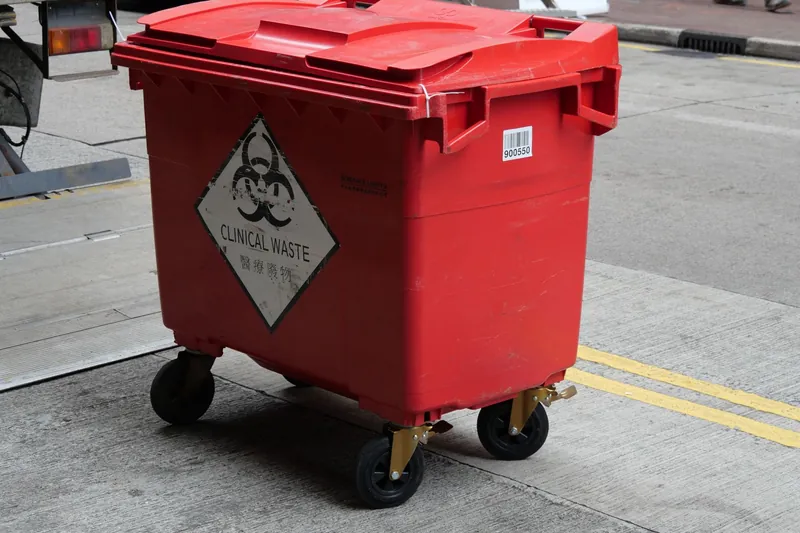
The time depends on the number of areas, materials affected, security access, waste volume and whether odor treatment is needed. The cleanup team can set a work window after the released area is assessed.
| Scene | Typical time on site |
|---|---|
| One cell with hard-surface contamination | Work window set after assessment |
| One affected cell with absorbent items to remove | Longer than hard-surface cleaning |
| Several cells, corridors or common areas | Often planned in secure phases |
Effective odor removal starts with locating the source and taking it away. Residue in drains or floor joints, human waste, affected bedding and bodily fluids need attention before deodorizing equipment is used. Covering the smell with fragrance does not clean the contaminated area.
A second room inspection follows disinfection and cleaning. HEPA air scrubbers may collect particles suspended in the air, and hydroxyl equipment can help reduce residual odor if the space is suitable. Inspectors also examine vent covers and adjacent surfaces to prevent remaining residue from continuing to affect the air quality.
The full jail and holding cell cleanup guide covers what is cleaned or removed, odor and air quality work, and the rules that apply in Oklahoma.
Read the full jail and holding cell cleanup guidePlanning for access, containment and cleanup can depend on local population, housing and entry conditions.
Rental households account for 37.9% locally, which can add access questions when the affected room is inside a managed property.
The local median home dates to 1976, making a room by room material assessment more useful than one cleaning method everywhere.
Because 37.0% of older residents live alone, neighbors and family contacts can play an important role in noticing unusual silence.
A single-family share of 88.9% makes private entrances useful for discreet equipment movement during a sensitive cleanup.
Ask on the call about cleanup options for neighboring communities and ZIP codes.
Bodily fluid cleanup and disinfection for homes, care settings and businesses.
See bodily fluid cleanup
Blood cleanup on carpet, hard floors, walls and furniture with safe disposal.
See blood cleanup
Human feces cleanup includes disinfection in homes, public restrooms and rental properties.
See human feces cleanup
Floors, underlying subfloors and furniture receive urine cleanup with odor removal.
See urine cleanup
Disinfection after vomit cleanup keeps norovirus and other germs from spreading further.
See vomit cleanup
Yards, encampments, parks and rental properties receive needle and sharps cleanup.
See needle and sharps cleanup
Biohazard waste pickup and disposal in sealed, labeled containers.
See biohazard waste disposal
Commercial and industrial sites receive biohazard cleanup arranged around operating needs and site access.
See commercial and industrial biohazard cleanupYes, once visible residue and contaminated materials are gone, the scope may include treatment for remaining odor. Sources of odor may be trapped inside bedding, drains, joints and damaged finishes. Following source removal, cleaning can extend to nearby surfaces, with appropriate air treatment equipment used when needed. The contamination responsible for the odor remains if only fragrance is used.
Coverage depends on the policy terms, the property and the incident. The responsible public or private operator, or the facility itself, typically makes payment arrangements. Your administrator, risk representative or purchasing contact can identify who approves the scope and what incident documentation is needed.
Possible cleanup services cover odor removal, area assessment and containment, waste disposal, removal of sharps and affected porous items, and surface cleaning and disinfection. Required work varies by the hazards found and their spread, including blood, other bodily fluids, human waste or needles reaching seams, fixtures and surrounding controlled spaces.
Credible published pricing does not include a jail-specific range. For general biohazard cleanup, guides show $1,800 to $4,500 as the residential average and $3,000 to $5,000 as the typical national range. These numbers are solely for context. Your price depends on the assessed area, materials, waste, security needs and odor work.
The disinfectant needs EPA registration for the organism involved and compatibility with the surface. Cleaning removes visible soil first. The disinfectant must then remain wet for the full contact time stated on its label. The choice should also reflect ventilation conditions, compatibility with treated surfaces and any facility limits.
An intact, non-porous mattress cover may be cleanable if contamination stayed on the sealed surface. Fluid-soaked absorbent material or a torn mattress may have to be removed. The decision depends on the material, its condition and whether every contaminated surface can be reached, cleaned and disinfected.
Crews carry out respectful, discreet jail and holding cell cleanup, arrive in unmarked vehicles and take calls 24 hours a day.