Hoarding Cleanup
Hoarding cleanup with respectful sorting, removal and deep cleaning.
See hoarding cleanupClear built-up waste, remove contaminated materials and deep clean an unsafe home with a plan that protects important belongings and explains each stage.
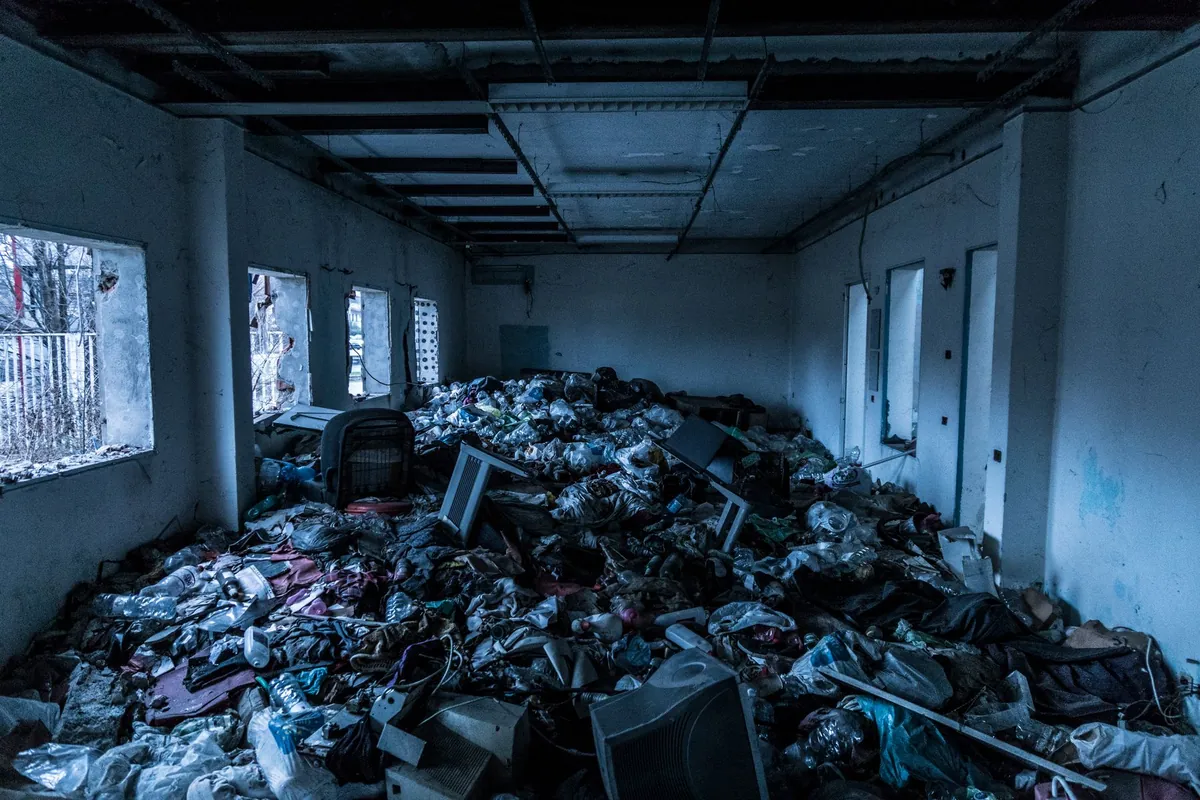
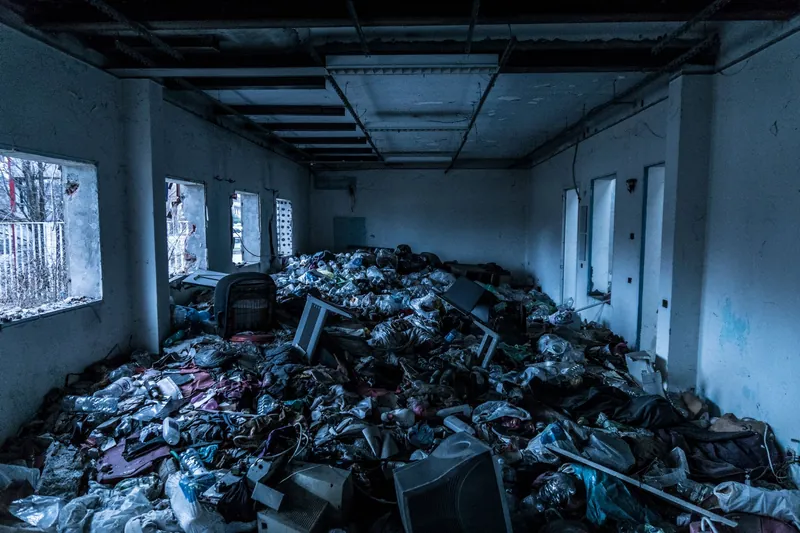
This service clears accumulated rubbish, spoiled materials and unsafe waste from a home, then the affected areas are cleaned and disinfected for safer use.
The word squalor refers to a property's condition, rather than the person who lives in it. Illness, grief, limited mobility, plumbing trouble, pests or an extended lapse in routine cleaning can lead to decline. Cleanup should address what is present and identify useful next steps without placing blame.
A cleanup may clear walking routes, sort possessions, discard food and household refuse, wash kitchens and bathrooms, and address lingering odors. The plan must change if the site contains feces, urine, sewage, blood, unsecured sharps or other contamination. In that case, technicians may need protective equipment, biohazard remediation, separated work areas and an appropriate disposal route.
Cleaning severe filth does not necessarily require a complete cleanout. A home may hold few belongings you want to keep yet still have serious sanitation issues. Others need careful sorting before any surface can be reached. Your decisions about belongings, plus the affected area and materials left behind, should guide the cleaning service scope.
To clarify what the cleanup involves, your plan lists deep cleaning, contents removal, disinfection, odor treatment and repairs as separate parts.
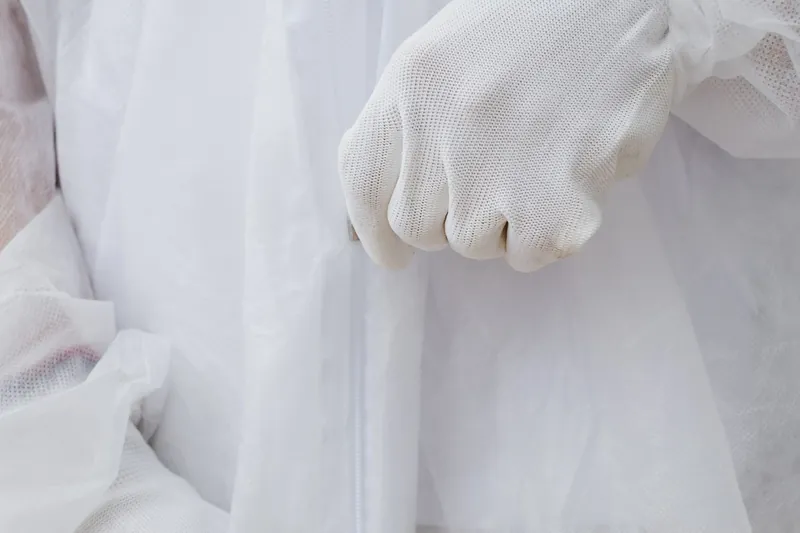
Workers should select containment and protective gear according to hazards present and use suitable waste disposal for spoiled material, pest activity, bodily fluids and loose sharps. Each cleanup step should be explained in the plan.
Crews use unmarked vehicles at the property. To limit unwanted attention, loading points and active work areas can be positioned thoughtfully.
You get straightforward information delivered without judgment. Room-level records support choices centered on safe conditions, sanitation and what you want for the property.
When standard housekeeping is no longer a safe way to access and restore an area, filth cleaning services can be useful. Typical situations include:
Pest activity, food spoilage, greasy residue and leaking bags can block normal use of the floor, appliances or counters.
Urine, feces, food and damaged materials remain after pets are moved to a safe setting, and odor has reached carpet, pad or subfloor.
Before repairs or another occupancy, a tenant, owner or authorized manager may need abandoned trash cleared and affected rooms documented.
Heavy residue, urine or feces on fixtures and adjacent surfaces can require removal, targeted disinfection and protective gear.
First, keep people safe and leave room for thoughtful decisions about the property. Avoid shifting waste until you understand the possible hazards. Do not start cleanup during an active medical crisis, fire or other immediate safety danger. Contact the correct emergency service or law enforcement first.
Call (888) 351-0904Planning information in Published guides places hoarding with biohazards from $3,000 to $20,000 in range. It places biohazard-level hoarding from $2,000 to $25,000 in range. Yelp lists human waste cleanup at $400 to $1,500 as an average range. These related figures do not set a squalor job's actual scope, which changes with material damage, pests, odor work, waste type and buildup extent.
These national ranges are taken from published cost guides, rather than a property visit. An on-site assessment determines your property's price, which is explained to you before the cleanup starts.
Ask about cost: (888) 351-0904Insurance may cover damage tied to a covered event, but routine neglect, accumulated waste and general cleaning are often treated differently. Insurance companies use your policy and the documented cause of damage to make that decision.
Confirm the cause of loss, documentation requirements, affected areas within coverage and whether the claim treats restoration, sanitation and removal separately. Putting relevant records in order for the adjuster can be part of insurance assistance.
Check with the insurance company about whether a covered plumbing loss or another sudden event caused some damage. Cleanup not caused by the incident may be assessed on its own.
Payment choices, scope signatures and removal approval need confirmation from an executor or authorized representative before moving personal property.
Who coordinates entry and payment may depend on the lease, local rules and the property's condition. Tenant belongings should not be discarded until the person with authority confirms the plan.
Although each property has different needs, remediation moves in a deliberate sequence: safety, sorting, removal, detailed cleaning and a closing walkthrough. Following this order prevents dirty materials from moving back through spaces already cleaned.
Cleanup technicians examine rooms they can access, locating affected areas and recording waste, pests, moisture, sharps, blocked routes and materials that might require removal.
Designated work spaces are created along with a clear, clean way to leave. Protective clothing, gloves, eye protection and respiratory equipment are matched to the risks identified.
Papers, medicine, photos, valuables and questionable items are kept apart from trash for decisions by you or another authorized person.
Approved discards, garbage and spoiled items are placed in bags or other containers. Workers avoid dragging dirty bags through clean rooms or mixing sharp items into ordinary waste.
Carpet, pad, drywall, cabinets or subfloor may be removed when waste or liquid has penetrated too deeply for the material to be fully cleaned.
Workers clean exposed hard surfaces before applying a disinfectant. Where disinfection is needed, an EPA-registered product is kept wet for the full contact time stated on its label.
Work starts by removing odor-causing material. HEPA vacuuming, air scrubbers and targeted surface treatment may then reduce remaining particles and odors in the work area.
You inspect the cleared rooms, items kept, materials removed and any remaining need for pest control, plumbing, drying, construction or other restoration services. You also receive an explanation of the remaining work so you can move forward.
Phone any hour. A filth and squalor cleanup specialist answers, explains the steps and agrees a start time with you.
Severe buildup can create serious health risks when waste, sharp objects, moisture or unstable contents are present, even if the surface looks dry.
Rodents or insects may be drawn to uncovered trash and food spoilage. Look for nests, droppings and pest damage ahead of any pile movement or disturbance of dry debris.
Contamination from feces and urine can reach wood, wall material, grout and carpeting. Porous materials may hold contamination and odor after the visible surface has been wiped.
Illness, bereavement or less independence may contribute to challenging conditions at home. Calm information helps residents and loved ones reach clear decisions about personal property.
Can you clean it yourself? Cleaning may be reasonable for minor everyday dirt on an intact non-porous surface when you use gloves and obey the product label. Stop if you find human or animal waste, loose sharps, an unknown chemical, sewage, unstable piles or contamination that has soaked into porous materials.
Cleanup can take about a day for a small area or multiple days when several rooms are involved. If squalor affects the whole home, limited access, decisions about belongings and contaminated material removal can extend the work to a week or longer.
| Scene | Typical time on site |
|---|---|
| A single reachable room containing light buildup | Often about one day |
| Removal plus deep cleaning across multiple affected rooms | Often several days |
| Whole home with heavy waste or damaged materials | The work may last one week or more |
The first step in odor removal is eliminating the cause, rather than adding fragrance. Damp carpet, pest residue, wastewater, urine, feces, spoiled food and garbage can each smell different. Air treatment comes later, after removal or cleaning of bags, absorbent matter and damaged contents.
Exposed areas are cleaned after source removal and disinfected when necessary. Airborne particles can be reduced with air scrubbers and HEPA vacuuming. If odor remains in wall voids, cabinets, carpet pad or subfloor, contamination may still be present. Inspect these materials before repairs start or the space is closed.
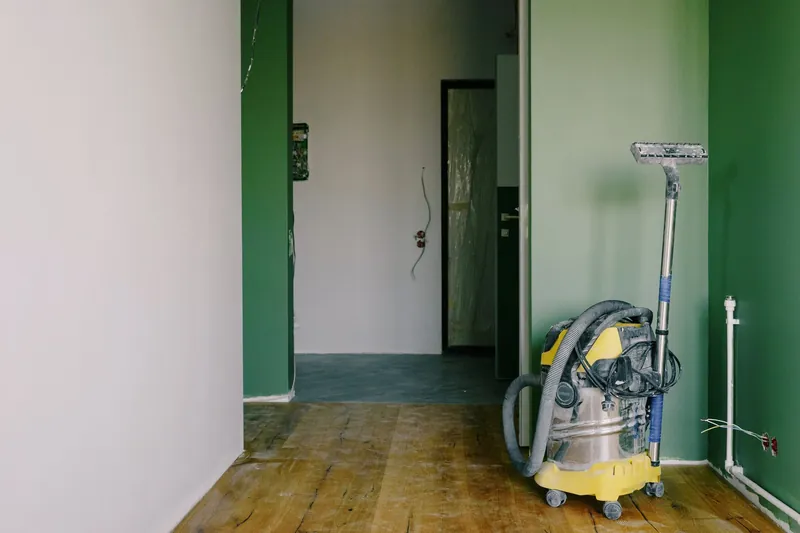
For jobs where workers could encounter blood or material that may be infectious, the OSHA Bloodborne Pathogens Standard, 29 CFR 1910.1030, requires training, protective equipment and exposure controls.
The product label governs how an EPA-registered disinfectant must be applied. The surface needs to stay wet for the stated contact time so the product can work as directed.
Oklahoma treats soaked materials from a biohazard scene as regulated medical waste. Rules from the Department of Environmental Quality's Land Protection Division control how it is processed and treated, so it cannot go in household trash.
Local health and building rules can affect how a contaminated room is cleaned and when it can be used again, so mention any notice you have received from the city or county.
The full filth and squalor cleanup guide covers what is cleaned or removed, odor and air quality work, and the rules that apply in Oklahoma County.
Read the full filth and squalor cleanup guide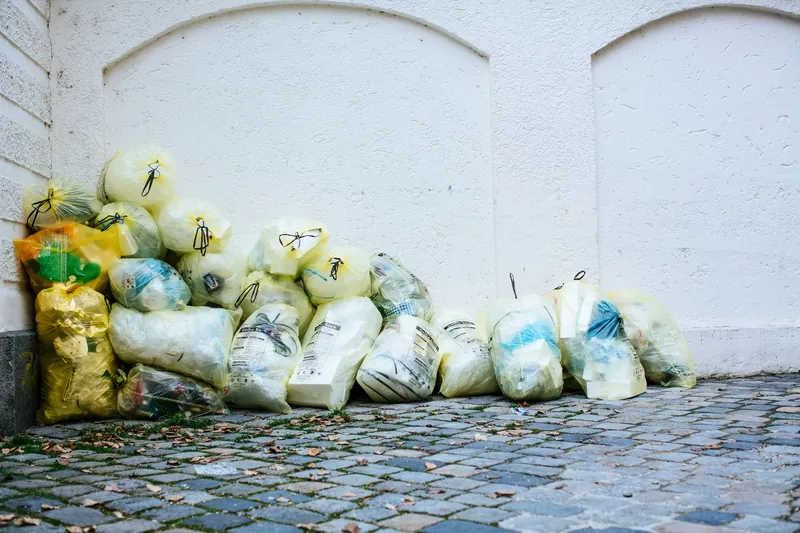
Planning for access, containment and cleanup can depend on local population, housing and entry conditions.
The approximately 2.3 mile trip to O U Medical Center matters when an injury must be assessed before anyone returns to the affected space.
Vairy is near Patrick Moore, Briarwood, and Park Estates, which can matter when family members are arriving from surrounding communities.
Neighborhood level directions help narrow the location, but crews still need entrance details before bringing containment and cleaning equipment inside.
You can ask about cleanup in nearby communities and ZIP codes during the call.
Hoarding cleanup with respectful sorting, removal and deep cleaning.
See hoarding cleanup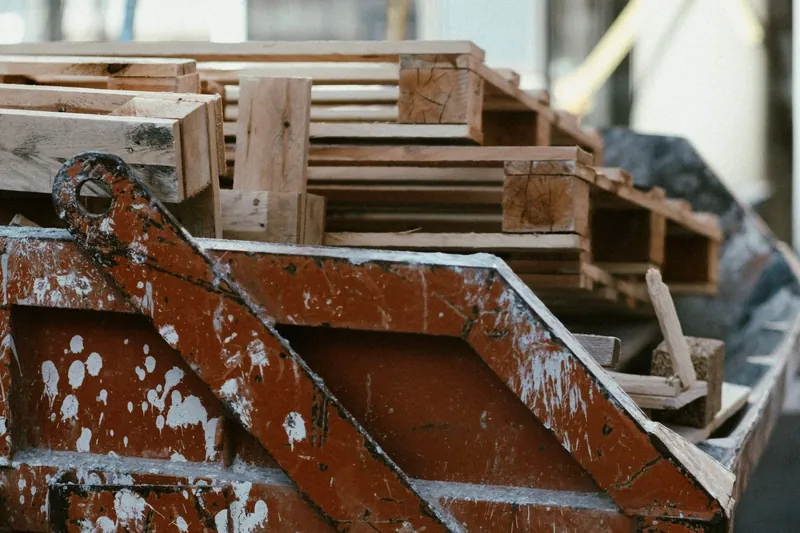
Hoarder house cleanout covers every room from start to finish and includes trash removal.
See hoarder house cleanout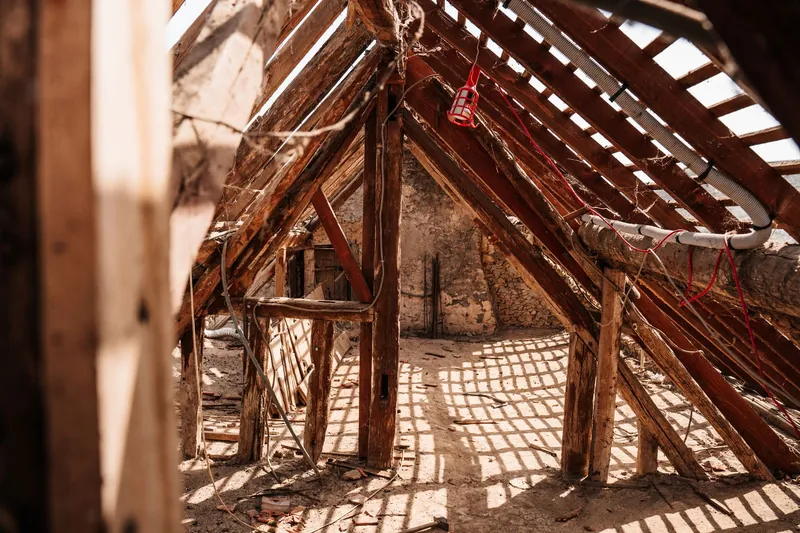
Waste and urine-soaked items are removed and ammonia odor is treated during animal hoarding cleanup.
See animal hoarding cleanup
Rentals, residences and public bathrooms receive human feces cleanup and disinfection.
See human feces cleanup

Removal and disinfection of blood, body fluids and other infectious material from any property.
See biohazard cleanup
Cleanup removes sharps and needles from parks, rental sites, yards and encampments.
See needle and sharps cleanup
Biohazard cleanup for hotels, Airbnb units and rental properties.
See hotel, airbnb and rental biohazard cleanupImportant documents, medicines, keys, pictures, valuable items and undecided belongings can be isolated until decisions are made. Items suitable for cleaning may stay. Items that are broken, pest-damaged or deeply contaminated may need removal, but the reason and decision authority should be clear before they leave the property.
Right. You may be able to clean sound, reachable items made from hard non-porous materials. Documents, photographs, medication and valuables can be set aside for your decision. Absorbent items might require disposal after contamination from wastewater, urine, feces or another substance soaks through. You deserve to know why removal is necessary before a belonging is discarded.
Squalor describes a home with unsanitary conditions. Someone with hoarding behavior struggles to discard belongings, whether or not heavy filth is present. Some homes are clean despite crowding, while others hold few furnishings yet remain unsafe from residue and waste. The work needed should reflect what is found at the property instead of how the situation is labeled.
Cleaning may require about a day for one reachable room with modest accumulation. A heavily affected property can need at least a week, and cleaning several spaces often lasts multiple days. Blocked routes, pests, contaminated porous items, odor sources, plumbing concerns, repairs and time spent sorting can extend the cleaning process.
Published guidance for related work lists human waste cleanup at $400 to $1,500; biohazard hoarding at $3,000 to $20,000; and biohazard-level hoarding at $2,000 to $25,000 in those guides. These ranges support early planning. Your final cleanup scope reflects the buildup, type of waste, affected materials, pest conditions, access and odor needs.
First, restrict access to impacted rooms for pets and people while keeping a safe way out open. Never open containers you cannot identify, press down bags or sweep waste while it is dry. Make a list of medication, valuables and documents to keep safe. Next, assess unstable spaces, sharp objects, dampness, pests and waste prior to removing or sorting anything.
Respectful, discreet filth and squalor cleanup is available 24 hours a day, and crews arrive in unmarked vehicles.