Human Feces Cleanup
Human feces cleanup includes disinfection in homes, public restrooms and rental properties.
See human feces cleanupGet feces, urine, vomit, blood and other bodily fluids removed from a home, rental, care setting or workplace in Settler's Ridge. The affected area is cleaned, disinfected and checked before it is used again.
Bodily fluid cleanup is the safe removal of feces, urine, vomit, blood and other human waste, followed by cleaning, disinfection and odor treatment of the affected area.
Unlike routine housekeeping, this work accounts for fluid hidden in grout, unfinished wood, carpet pad, wall cavities or seams. Cleanup technicians inspect both the contamination and nearby areas. They safeguard clean rooms and evaluate which items can receive disinfection. When biohazard remediation is extensive, the process may extend to odor removal, containment, safe waste packaging and disposal.
A home, school, hotel, apartment, restroom, workplace or care setting may require vomit cleanup, human feces cleanup, or combined urine and feces cleanup. Bodily fluid cleaning services apply to recent spills and contamination that happened repeatedly. Work focuses on source removal, a suitable product for every surface and preparing the space for its next use.
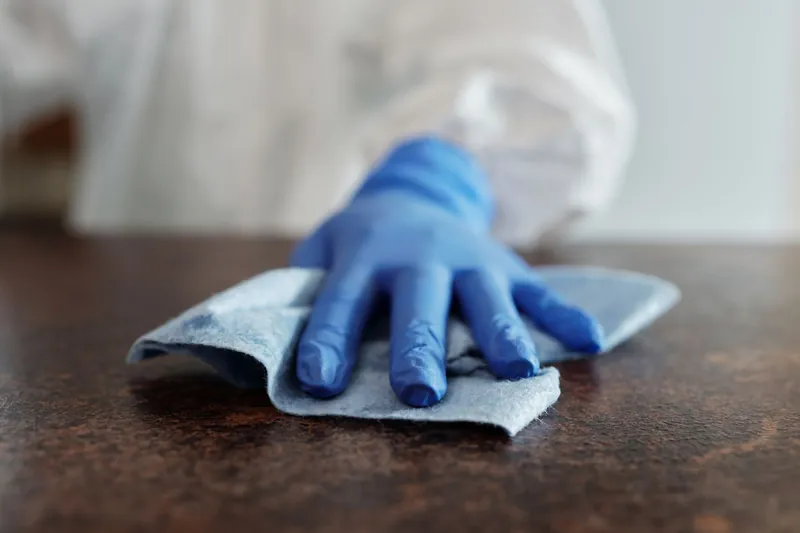
An insurance company assessing the event, along with managers and property owners, can receive organized photos, a defined work scope and available disposal records.
Calls are answered both day and night, with unmarked vehicles used for crew arrivals. Your circumstances are discussed calmly, with access limited to the work area that is needed.
Disposable matter is kept separate from cleanable personal belongings and mementos. Whenever possible, each affected item is reviewed with you prior to a removal decision.
Before work starts, find out how the cleaning process is planned to move forward, which areas are affected, and what may remain or need removal.
Professional cleanup may be right when regular cleaning cannot resolve a health concern, bodily fluids have entered absorbent materials or the affected area is extensive. Needs vary by situation, with common examples including:
Repeated accidents may soak carpet, mattresses, baseboards and subfloor, making feces and urine cleanup necessary for contamination and persistent odor.
Commercial feces cleanup may require a restricted work zone in restrooms, offices, stores and shared buildings to protect employees and visitors.
Professional human feces clean up may be needed when a toilet accident, illness or loss of mobility leaves fecal matter on flooring, bedding, walls and nearby belongings.
Human or animal waste may be found during a move-out, welfare check or cleanup of a heavily neglected property.
Your first priorities are personal safety and preventing material from moving outside the original spot. If emergency personnel or law enforcement are involved, wait for release of the area before entering. Use these measures while you arrange a cleaning service:
Call (888) 351-0904Published guides list small blood or fluid cleanup at $500 to $2,500. One blood cleanup pricing guide publishes a broader span of $300 to $4,000. These are comparison ranges, not a set charge for every bodily fluid cleanup. The actual cost depends on the fluid, the size of the affected area, the surfaces involved, waste disposal and odor treatment.
These ranges come from published national cost guides, not from a site visit. An on-site assessment determines your property's price, which is explained to you before the cleanup starts.
Ask about cost: (888) 351-0904Coverage depends on what caused the contamination and the terms, limits and deductible in your policy. Ask the insurance company about biohazard cleanup before authorizing non-urgent work.
Managers and property owners may ask which records the adjuster needs and whether the building policy applies before damaged materials are taken out.
Save your photographs, claim number, invoices, disposal documentation and work scope. Cleanup documents cannot assure payment because insurance companies make coverage decisions.
A policy might cover cleanup after a sudden covered occurrence, while maintenance, neglect and regular sanitation are often treated differently. Read your specific policy terms.
Victims of violent crime can ask the Oklahoma Crime Victims Compensation Program, run through the Oklahoma District Attorneys Council, about crime scene cleanup, which the Crime Victims Compensation Act lists as an allowable expense. Insurance is usually checked first.
This remediation process explains what bodily fluid cleanup involves from the first assessment through the final check. A controlled order helps keep contamination from being carried into clean rooms. Each step changes with the fluid, affected materials and distance traveled.
Assessment covers affected areas, the source, adjacent surfaces, porous items, sharp objects and hazardous materials that require careful treatment.
A separation is created between clean rooms and the work area. Gloves, protective clothing, eye protection and other protective gear are selected for the exposure.
To limit transfer and splashes into surrounding areas, pooled liquid and solid matter are removed carefully before wet cleaning.
When liquids penetrate beyond complete cleaning, removal may be necessary for carpet padding, upholstered furniture, unfinished timber or damaged drywall.
The surfaces that remain are cleaned and then treated using an EPA-registered disinfectant that stays for its entire labeled contact period.
Nearby fixtures, switches, door knobs and surfaces are inspected and cleaned if equipment, footwear or hands could have carried material to them.
Applicable waste requirements guide the sealing and routing of discarded material. Odor control follows complete removal of what caused the contamination.
The work area is checked for remaining soil and odor. Property documentation or insurance assistance may be supported by photographs, disposal records and the scope of work.

Phone any hour. Your bodily fluid cleanup specialist answers the phone, describes what happens next and works with you on a start time.
Germs or infectious material may be present with bodily fluids, and an absorbent surface can retain contamination deeper than the area you see.
The consequences of contact may be greater for children, seniors and those with compromised immune systems. Keeping them away from the affected area is a sensible first step.
Liquid can soak into drywall, unfinished wood, mattresses, carpet and its padding. Wiping the surface may leave contamination and odor underneath.
Bacteria, parasites and viruses capable of causing illness can exist in feces. Contact with it, or transfer onto your food, hands or common touch points, can pass on illness.
Can you clean it yourself? You might manage a fresh, limited spill on a non-porous hard surface by wearing disposable gloves, removing it carefully and applying an EPA-registered disinfectant for its complete labeled contact time. Get professional cleanup when the source is unknown, blood is present, waste covers a wide area, sharp objects are involved or fluid entered carpet, wood, drywall or furniture.
Hard, intact materials can often stay after thorough cleaning and disinfection. Absorbent materials may need removal when bodily fluids have reached layers that cannot be accessed. If removal exposes damage, restoration services can repair flooring, walls or other building materials after cleanup.
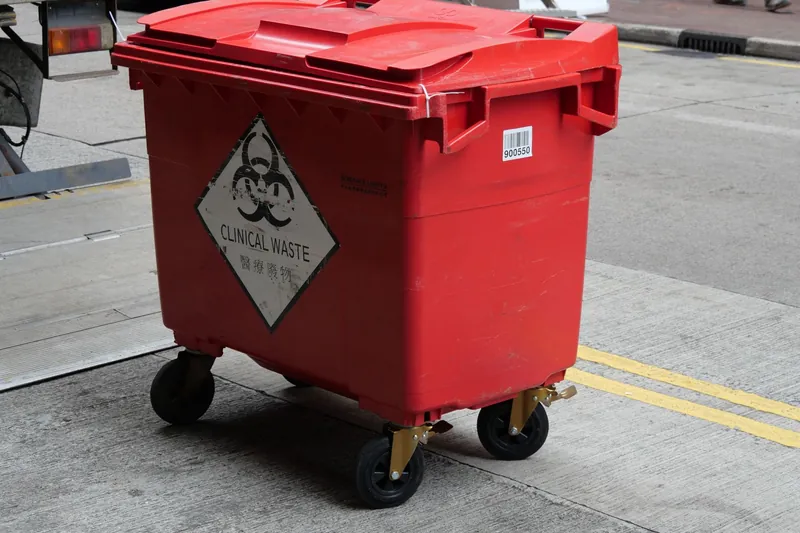
The OSHA Bloodborne Pathogens Standard, 29 CFR 1910.1030, sets workplace requirements for protective equipment, training and exposure controls when workers may contact blood or certain other potentially infectious materials.
Use every EPA-registered disinfectant exactly as its labeling directs. That stage is not complete until the surface stays wet throughout the listed contact period.
Oklahoma treats soaked materials from a biohazard scene as regulated medical waste. Rules from the Department of Environmental Quality's Land Protection Division control how it is processed and treated, so it cannot go in household trash.
Oklahoma uses a statewide medical examiner system, with the Office of the Chief Medical Examiner investigating sudden, violent, unexpected and suspicious deaths. Cleanup starts after police or the medical examiner or coroner release the scene.
How long the work takes depends on the area's size, how far fluid penetrated and whether material removal is necessary. Compared with repeated contamination in several rooms, a recent spill remaining on a surface requires less work.
The full bodily fluid cleanup guide covers what is cleaned or removed, odor and air quality work, and the rules that apply in Oklahoma and Canadian County.
Read the full bodily fluid cleanup guideContainment, entry and cleanup plans can be influenced by local housing, population and access details.
At roughly 2.7 miles away, Integris Canadian Valley Hospital is the closest listed hospital for urgent care after a cut, puncture, or exposure.
Travel from Carlisle Crossing, Aurora, or May-Penn may lead through the same area, so private staging should stay close to the affected property.
The neighborhood setting makes privacy especially important when equipment must pass through sidewalks, lobbies, or other visible common areas.
Ask on the call about cleanup options for neighboring communities and ZIP codes.
Human feces cleanup includes disinfection in homes, public restrooms and rental properties.
See human feces cleanup
Urine cleanup and odor removal address furniture, floors and subfloors.
See urine cleanup
Cleanup and disinfection remove vomit and prevent norovirus and other germs from spreading.
See vomit cleanup
Walls, carpets, furnishings and hard floors receive blood cleanup, with safe disposal afterward.
See blood cleanup
Blood spill cleanup removes spills of any size, including fresh and dried blood.
See blood spill cleanup
Blood cleanup controls exposure to HIV as well as hepatitis B and hepatitis C.
See bloodborne pathogen cleanup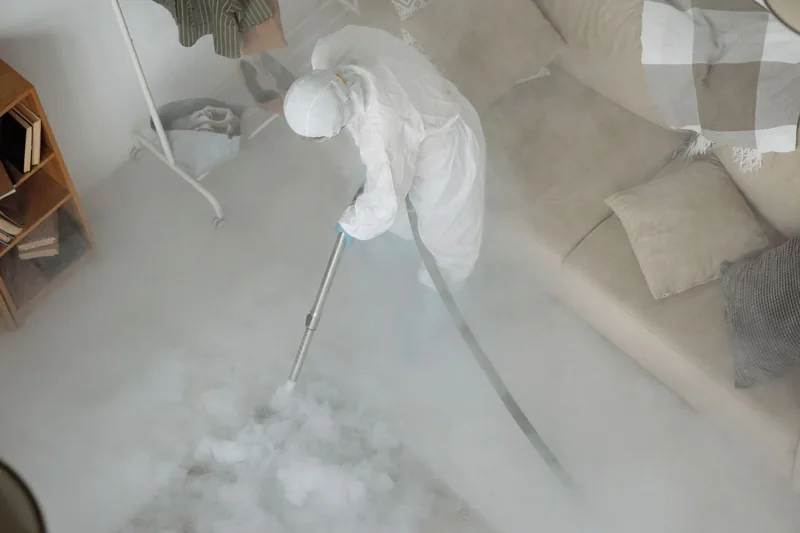
Full decontamination of rooms, surfaces and air after infectious or hazardous exposure.
See biohazard decontamination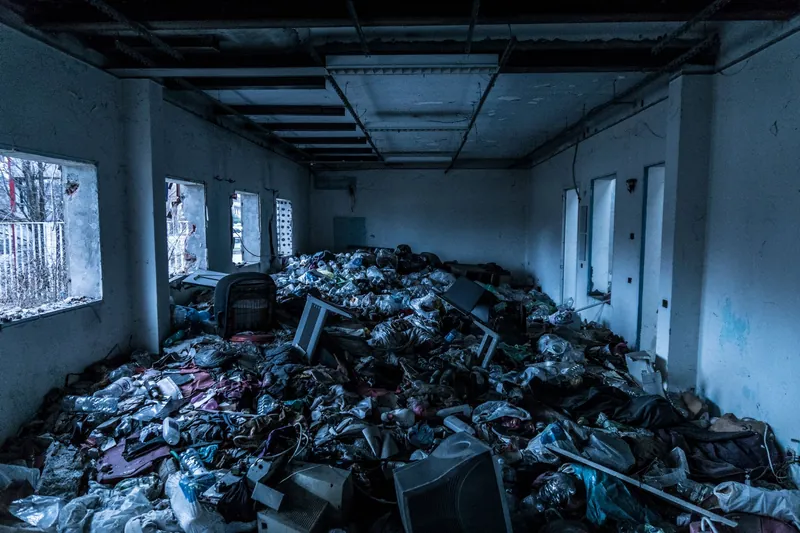
Respectful sorting, item removal and deep cleaning are included in hoarding cleanup.
See hoarding cleanupYes. As a bodily fluid, vomit can hold organisms capable of spreading disease. Remove the material carefully so it does not splash, clean any visible soil and keep a suitable EPA-registered disinfectant on the surface for its entire label contact time. Nearby touch points may also need cleaning if hands, shoes or tools carried contamination.
It depends on how far the liquid traveled. A limited surface spot may be cleanable, but contamination that entered the backing or pad is difficult to reach completely. Ongoing contamination from urine or feces might penetrate into the subfloor as well. The cleaning evaluation needs to distinguish disinfectable items from material requiring removal.
Not necessarily. You might manage a limited recent spill of known material on a sound non-porous surface by using gloves, cautious cleaning and an appropriate disinfectant. Call for professional cleanup when blood or sharp objects are involved, the source is unknown, fluid entered porous materials or the affected area is too large to control safely.
Urine alone is not treated the same as blood, but the circumstances matter. Urine may contain germs, blood or feces, and recurring exposure can penetrate far into furniture and floors. Use gloves for a small surface spill. Seek assistance if you cannot identify the source, the affected space is extensive or liquid reached porous material.
Published comparison data lists small blood or fluid cleanup at $500 to $2,500. Another published guide places blood cleanup prices between $300 and $4,000. Fluid, surface, area, disposal requirements and smell treatment all influence the actual cost. An assessment is needed because those published ranges do not describe every property.
Start with suitable disposable gloves and keep other people away. Do not sweep or vacuum dried feces. Carefully remove solid material, clean the visible soil and disinfect a hard, intact surface with a suitable EPA-registered product used exactly as labeled. When hazards are uncertain, materials are porous or contamination is widespread, professional human feces removal is the safer option.
Crews carry out respectful, discreet bodily fluid cleanup, arrive in unmarked vehicles and take calls 24 hours a day.