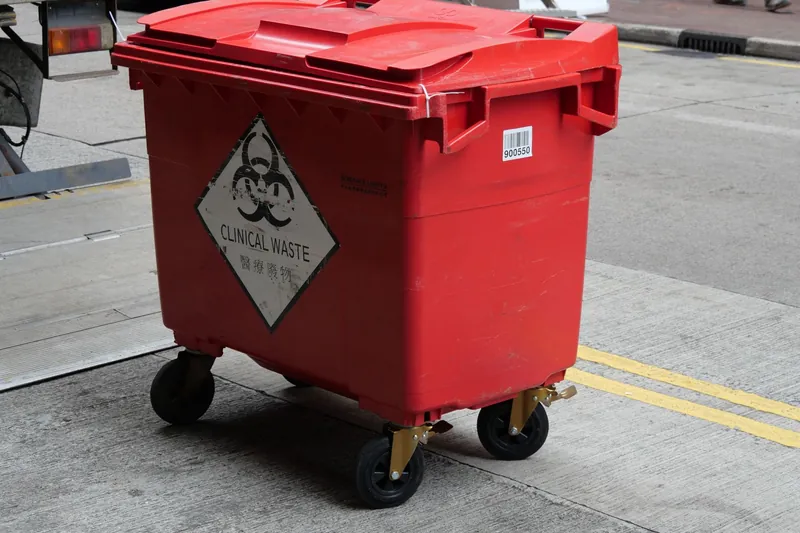
Medical Waste Removal
Medical waste removal and disposal through approved treatment facilities.
See medical waste removalGet discarded needles, syringes and related sharps removed from a yard, rental, park, alley or commercial property in May-Penn. Keep people and pets away until the affected area has been searched and cleared.
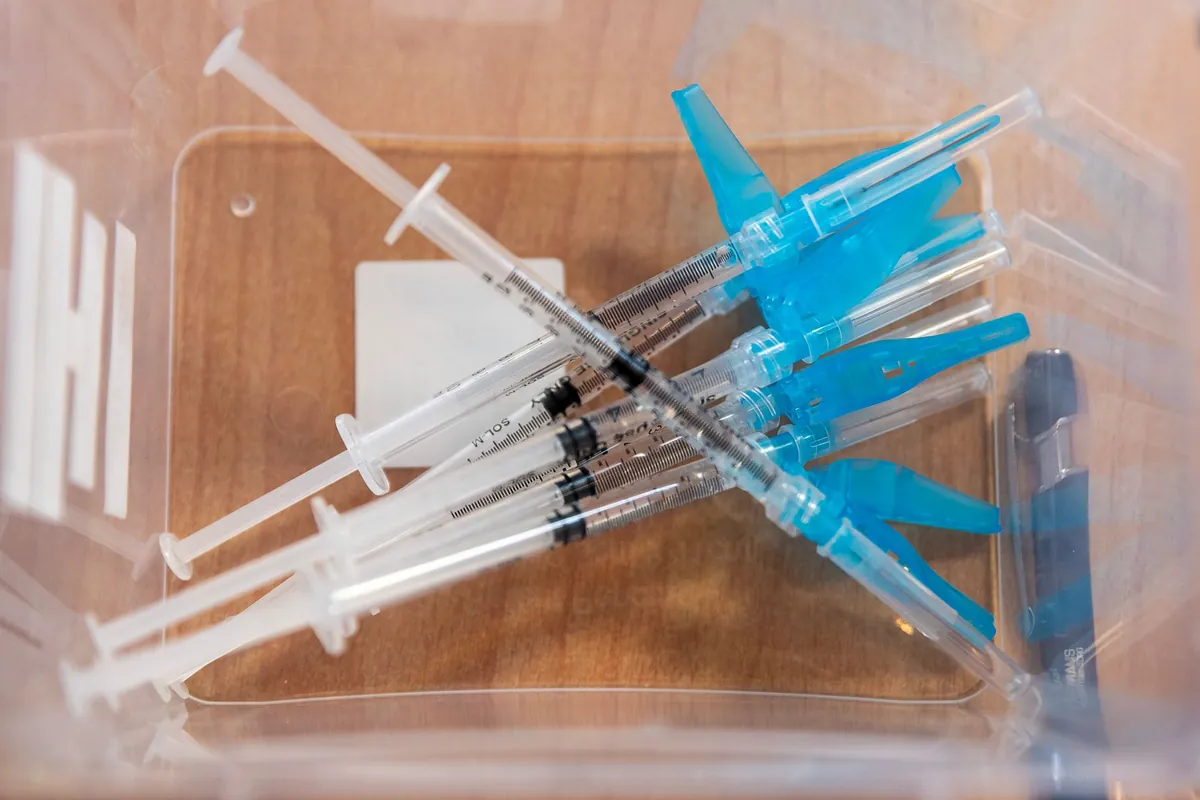
Needle and sharps cleanup means systematically looking for abandoned needles, razor blades, lancets, syringes and similar sharp items, then collecting and containing them safely for disposal that follows applicable waste rules.
The cleaning process can focus on one visible syringe or include a methodical sweep of a larger affected area. Technicians check grass, mulch, planters, stairwells, vacant units, fence lines, trash areas and spaces beneath furniture or debris. Tongs or another pickup tool keep hands away from the sharp end. Each item goes directly into a rigid, puncture-resistant sharps container rather than a loose bag.
Needle removal may form one part of restoring property after an encampment has closed, a tenant has moved out, people have trespassed or illegal drug use has occurred. Items beside the sharps can broaden the biohazard scope, including paraphernalia, contaminated materials and small areas of bodily fluid. Everything is kept separate, then packaged and cleaned based on the material instead of being treated as ordinary mixed litter.
Before starting the cleanup process, the plan explains search boundaries, possible movement of items and factors affecting cost.
Technicians methodically inspect belongings and keep items that can stay apart from waste and contaminated materials.
Service notes, photos and available waste records help property owners, managers and insurance companies understand the completed work.
Calls are answered day and night, and crews can arrive in unmarked vehicles to protect privacy at homes, rentals and businesses.
If ordinary activity, maintenance or cleaning could bring someone into contact with a sharp, removal is needed. Each situation calls for its own scope, with the search shaped by the item found and activities at the property. Common examples follow:
Keep cleaners, contractors and future occupants out until needles in the unit, shared space, furniture or rubbish have been collected under controlled conditions.
A syringe in grass, mulch, a fence line or an alley can be hard to see and easy to step on during routine property care.
Play areas, paths, restrooms, planting beds and parking edges may need a wider sweep after one discarded syringe is found.
Sharps can be concealed inside tents, loose refuse, plants or bedding, so avoid lifting or pressing the debris before an inspection.
Prevent anyone from making contact first. These simple, steady actions reduce risk and keep the area intact for a thorough search for sharps:
Call (888) 351-0904Published cost guides do not list a dollar range specifically for needle and sharps cleanup. The closest related figures are medical waste disposal at $2 to $20 per pound and general biohazard cleanup at $3,000 to $5,000 per job. These are comparison figures, not a sharps cleanup quote. Your price depends on the number of items, where they are found, the size of the sweep and required waste disposal.
These national ranges are taken from published cost guides, rather than a property visit. An on-site assessment determines your property's price, which is explained to you before the cleanup starts.
Ask about cost: (888) 351-0904Coverage varies based on the policy language, the needle location and the cause of the condition. Before work starts, check with the insurance company if delaying for that conversation is safe.
A property policy may respond when sharps are part of covered vandalism, trespass or another covered event. Send your adjuster photographs plus a straightforward account of what happened.
To move forward with the claim, confirm coverage, any required approval before cleanup and the necessary photographs, service documentation or waste records.
The lease, local requirements and cause of the condition affect who pays. Property owners and managers should document the unit before removing discarded needles.
You can inquire about state assistance if the sharps are linked to a crime reported to authorities. Homeowners or renters insurance is usually the first place to ask about cleanup costs. After a death the estate often pays, and in a rental the owner usually arranges the cleanup.
The cleanup follows an orderly sequence even though each property's scope is different. It starts by controlling entry, then moves through a careful search and safe collection before ending with another visual inspection.
Known locations, surface types and recent property use guide cleanup technicians as they establish the affected area.
Technicians restrict entry and wear protective equipment selected for risks from contamination and punctures. The cleanup begins along a clear boundary.
The site is searched in sections, including vegetation, bedding, planters, furniture, floor edges, trash zones and other likely hiding places.
Each visible sharp is lifted with tongs or another pickup tool. It is not bent, broken, recapped or carried loose.
Needles, syringes and similar items go directly into a rigid, puncture-resistant container that can be closed for transport.
Technicians remove surrounding bodily fluids and hazardous materials, then treat suitable surfaces using an EPA-registered disinfectant for the complete label contact time.
The required waste route for the specific material and place is used for closed containers, and available disposal records remain with service notes.
A final visual check occurs before access resumes, along with an explanation of removed items and any spots technicians could not reach.
You can call anytime. Your needle and sharps cleanup specialist answers the phone, describes what happens next and works with you on a start time.
The greatest risk is being cut or punctured by a sharp with potentially contaminated material on it. Each discarded object therefore needs to be considered hazardous. A larger area may need cleanup technicians to conduct a methodical search because the health consequences can be serious.
Needles left behind can be difficult to see beneath bedding, foliage, cushions, trash, long grass or spaces between floorboards. One discovered sharp calls for a check of the surrounding areas before the space reopens.
Needles found where pets, occupants, children or customers gather can cause understandable concern. Keeping the area closed and arranging a careful sweep gives you a clear next step.
A used needle can expose a person to bloodborne pathogens through a puncture. When workers might encounter blood at work, OSHA's Bloodborne Pathogens Standard, 29 CFR 1910.1030, establishes protections for them.
Can you clean it yourself? Even with gloves on, avoid touching any lone sharp you locate. Keep people away and follow local sharps guidance or request professional cleanup. If anyone is punctured, wash the area with soap and water and seek prompt medical advice about the exposure.
A clearly visible single object generally needs less time than searching an entire property, yet one duration cannot apply everywhere. Work takes longer with restricted access, heavy debris or concealed sharps.
| Scene | Typical time on site |
|---|---|
| A single identified needle in an open spot | A shorter service after confirming access and waste needs |
| Multiple spaces or one rented property | More time depending on the furniture, number of rooms and concealed areas |
| Large outdoor or debris-filled site | Expanded inspection, at times planned with removal of debris |
A lasting smell or indoor air concern does not usually come from needles and syringes alone. Strong odor may instead signal bodily fluids, garbage, spoiled materials or some other nearby cause, and only then is odor removal needed. Locate and remove what is causing it rather than attempting to cover the smell with fragrance.
Technicians checking for sharps can examine the area around them at the same time. If they find associated contaminated material, it is packaged or taken away first, followed by cleaning and disinfecting hard surfaces that are compatible. Both the actual cause and affected materials must warrant any treatment of the air.
When employees may encounter blood, the OSHA Bloodborne Pathogens Standard, 29 CFR 1910.1030, addresses exposure controls, protective equipment and additional safeguards.
For blood and bodily fluids on a suitable surface, apply an EPA-registered disinfectant and maintain wetness throughout the label's stated contact time.
Oklahoma treats soaked materials from a biohazard scene as regulated medical waste. Rules from the Department of Environmental Quality's Land Protection Division control how it is processed and treated, so it cannot go in household trash.
When sharps involve a death or active law enforcement investigation, obtain the appropriate site release before any cleanup starts. Local health and building rules can affect how a contaminated room is cleaned and when it can be used again, so mention any notice you have received from the city or county.
The full needle and sharps cleanup guide covers what is cleaned or removed, odor and air quality work, and the rules that apply in Oklahoma and Oklahoma County.
Read the full needle and sharps cleanup guidePlanning for access, containment and cleanup can depend on local population, housing and entry conditions.
May-Penn is listed about 1.2 miles from Integris Baptist Medical Center, a relevant distance when prompt evaluation follows a biohazard exposure.
With West End, Westmont, and Military Park close by, accurate street and unit details help avoid confusion during a sensitive response.
Neighborhood level directions help narrow the location, but crews still need entrance details before bringing containment and cleaning equipment inside.
Nearby community names help with orientation, but only the exact scene determines how needles and contaminated waste must be contained.
During your call, ask whether cleanup is available in surrounding communities and ZIP codes.
Medical waste removal and disposal through approved treatment facilities.
See medical waste removal
Pickup and disposal of biohazard waste use containers that are sealed and labeled.
See biohazard waste disposal
Cleanup removes drug residue, pipes and discarded needles from rentals and other properties.
See drug paraphernalia cleanup
Cleanup of homeless encampments removes needles, contaminated debris and waste.
See homeless encampment cleanup
Biohazard cleanup addresses Airbnb accommodations, hotels and other rental units.
See hotel, airbnb and rental biohazard cleanup
Commercial and industrial sites receive biohazard cleanup arranged around operating needs and site access.
See commercial and industrial biohazard cleanup
During cleanup, blood exposure involving hepatitis C, HIV and hepatitis B is controlled.
See bloodborne pathogen cleanup
Cleanup removes infectious material, including blood and body fluids, and disinfects the property.
See biohazard cleanupAn ordinary bin or trash bag is not safe for a syringe that is loose. It can puncture the bag and injure a cleaner, tenant or waste worker. Place sharps in a hard container designed to resist punctures, then use the disposal method required for the waste type and location. Business or cleanup waste may follow requirements unlike the area's household guidance.
For a needle on private property, you can request a professional needle and sharps cleanup service. For a needle on a public sidewalk, park or road, contact the local public works, parks or public health contact identified by your municipality. Do not touch or relocate the sharp, and keep everyone, including animals, out of the area until help arrives.
A trained cleanup technician controls access, wears suitable protective equipment and uses tongs or another pickup tool instead of hands. The syringe goes directly into a rigid, puncture-resistant sharps container. It is not bent, broken or recapped. Technicians recheck floor borders, vegetation, debris and furnishings for additional hidden items.
Do not allow children, pets or guests near the item. Leave nearby mulch and grass untouched, without reaching, mowing or raking. Set a visible marker without approaching, then schedule removal. Ask if the nearby yard needs an orderly search rather than collection of only the item in view, since additional sharps could be concealed there.
One needle alone is unlikely to leave a persistent smell or cause problems with the air. The source of an odor may instead be decomposing material, trash, bodily fluids or another nearby condition. The work should find and eliminate the actual source. Only use air treatment when the actual site conditions call for it, since needle removal alone does not make treatment necessary.
That is possible. Describe visible pipes, tiny bags, glass fragments, foil and unknown residue to the cleanup service when you ask for help. Because these materials can carry distinct risks from contact or contamination, evaluate them apart from the sharps. Your service scope should clarify if work stops with sharps or extends to associated paraphernalia, surrounding residue and additional hazardous waste.
Discreet, respectful needle and sharps cleanup, 24 hours a day, with crews in unmarked vehicles.