Blood Cleanup
Blood cleanup on carpet, hard floors, walls and furniture with safe disposal.
See blood cleanupArrange school and daycare biohazard cleanup in Luther for blood, bodily fluids, sharps and contaminated materials. Work can be planned outside class hours when the site and situation allow.
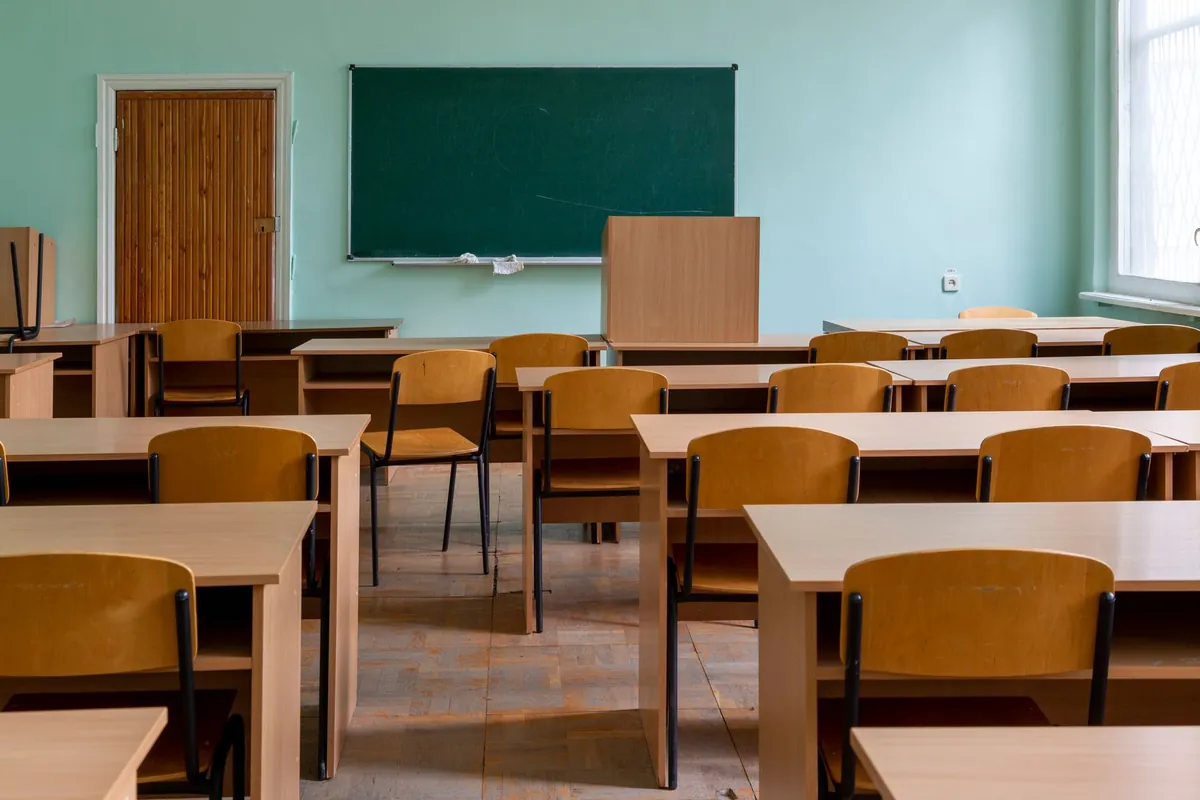
School biohazard cleanup covers the controlled cleanup and disinfection of contamination in daycares, schools and education facilities, including blood, other bodily fluids, sharps and affected materials.
Routine janitorial work is not the same as this process. Technicians first establish the boundaries of the affected space and shield nearby areas. They remove waste and visible soil before disinfecting hard surfaces for the product label's stated contact time. Materials that could have absorbed contamination are also examined.
Education biohazards may affect a bus, classroom, restroom, cafeteria, nurse office, playground structure or employee area. No two events have the same scope. Cleanup decisions reflect the incident, how far fluid moved and the surfaces or items involved. School leaders can arrange the timing, control entry to the building and protect student privacy throughout the work.
Crews can arrive in unmarked vehicles, and work areas can be kept out of view to support student, family and staff privacy.
Administrators, property owners and insurance companies can receive organized copies of available disposal records, photographs and the agreed work scope.
Rather than relocating belongings without approval, workers can separate backpacks, classroom supplies and personal property until the school contact decides what happens next.
The plan shows you every room that remains closed and separates materials for cleaning from those considered for removal.
Routine custodial procedures may not be safe for some types, amounts or locations of contamination. School biohazard cleanup keeps the impacted space controlled so material does not travel into occupied parts of the building. Common reasons to arrange this work include:
A small contained area no longer holds the bodily fluids, or the urine, feces or vomit enters soft surfaces.
Bathroom contamination has spread into grout or reached fixtures, partitions, wall edges or drains.
School property, a bathroom or a play area contains a discarded lancet, broken sharp or syringe.
Cleaning and disinfection scheduled when children are not present, with the affected rooms kept closed during the work.
Begin by protecting students and staff, keeping private information secure and preventing material from moving elsewhere. Initial decisions should follow the school's emergency plan. Before the cleaning team starts:
Call (888) 351-0904Published cost guides do not include a range specifically for schools. The usual national figure published by Fixr for general biohazard cleanup is $3,000 to $5,000 and its wider span runs from $1,500 to $25,000. For residential jobs, Yelp reports $1,800 to $4,500 while most projects in the BioRecovery cost guide are $2,500 to $8,000 in price. The school total is shaped by access requirements, waste, affected materials and the size of the area.
These national ranges are taken from published cost guides, rather than a property visit. You learn what your property will cost after the on-site assessment and before any work begins.
Ask about cost: (888) 351-0904Commercial property coverage or a liability policy may pay for school biohazard cleanup. The result varies according to the incident, deductible and policy terms. The district, school, property owner or daycare operator should notify the insurance company quickly and learn which documents it needs for the claim.
Check if property insurance includes both the event that caused contamination and the required cleaning. Record the claim number and the adjuster's instructions.
A lease can assign different obligations to the property owner and daycare business. Check the lease and notify both insurance companies when responsibility is unclear.
Homeowners or renters insurance is usually the first place to ask about cleanup costs. After a death the estate often pays, and in a rental the owner usually arranges the cleanup.
Contact the insurance company for instructions before materials are thrown away. Documentation of the loss may include pictures, invoices, waste paperwork and a description of the completed work.
A controlled series of steps guides biohazard remediation at a school. The professionals doing the work plan around building entry, the location of contamination and the need to prevent unauthorized employees and students from entering.
Cleanup technicians identify visible contamination, likely paths of travel, porous materials, nearby rooms and any access or privacy limits.
The work zone is marked and separated so people cannot enter, and clean paths are set for equipment and waste.
Protective equipment is selected to match the particular hazard. Sharps go directly into puncture-resistant receptacles after being gathered with appropriate tools.
Soft playthings, ceiling tiles, carpet padding, bare wood and similar items are set apart for proper disposal when full disinfection is not possible.
Visible material is removed before disinfection. The method for cleaning non-porous areas starts where impact is lower and advances to the affected zone.
EPA-registered disinfectants are applied to compatible surfaces and remain wet for the full contact time stated on the label.
Contaminated materials are packaged, labeled and moved away from student areas for disposal under applicable state and local rules.
The school representative checks that the agreed work is complete, and any requested photos, waste paperwork or supporting documents are prepared for recordkeeping.
Call at any time. A school and daycare biohazard cleanup specialist answers, explains the steps and agrees a start time with you.
Blood, contaminated sharp items and bodily fluids can present major risks to health. Careful waste disposal, personal protective gear and a controlled cleanup are needed to address the hazards.
Blood may contain HIV, hepatitis C or hepatitis B. Surface survival of hepatitis B can last at least seven days, the CDC says, so blood that has dried still requires care.
Children frequently put their hands on toys, flooring and common surfaces. Keeping people out of the affected area helps stop hands, shoes and portable belongings from transferring residue.
Fluids may seep into grout, carpet backing, joints in flooring, unfinished wood and baseboards. A surface wipe misses the contamination left behind underneath.
Can you clean it yourself? When permitted by the exposure control plan, a worker with training can use protective equipment to clean a small spill confined to a firm, non-porous surface, applying disinfectant that is EPA-registered for the full contact time on its label. Professional cleanup is appropriate when the contamination enters porous surfaces, has no clear limits, involves sharps or falls outside the site's safe response ability.
Whether an item stays depends in part on its material. Non-porous surfaces can often be disinfected and cleaned, while porous items may need removal when contamination has soaked beyond reach. Afterward, restoration may be required for removed fixtures, walls or floors.
The schedule depends on how much space is involved, what the surfaces are made of, the volume of waste and when crews can enter the property. A hard-surface job with a limited scope is shorter than one requiring carpet, furniture or wall material to be taken out. The closed area should remain off limits to staff and students until the school contact authorizes their return.
| Scene | Typical time on site |
|---|---|
| Limited hard-surface school area | Typically requires the shortest process when access is available |
| A childcare space or classroom containing varied materials | Longer when furniture and personal property need individual decisions |
| Several affected areas with absorbent material to take out | More time is involved for disposal, material removal and restoration work |
The source of contamination must first be identified and removed to address odor. A fragrance cannot clean hazardous material and may mask whether some of it remains in furniture, carpet, drains or spaces inside the walls.
After source removal, the cleaning process may include HEPA air filtration, cleaning compatible ventilation components and controlled treatment of remaining odor. Equipment choice should fit an occupied education setting. Students and unauthorized staff should stay outside the work zone until the school contact confirms that the area can reopen.
The full school and daycare biohazard cleanup guide covers what is cleaned or removed, odor and air quality work, and the rules that apply in Oklahoma and Oklahoma County.
Read the full school and daycare biohazard cleanup guideContainment, entry and cleanup plans can be influenced by local housing, population and access details.
A local renter share of 9.7% means many properties may have one owner making decisions about access, drying, and material removal.
Local housing has a median build year of 1996, so cleanup should protect intact finishes while removing materials that cannot be disinfected.
About 177 older residents live alone in Luther, representing 62.1% of seniors and making regular welfare checks especially meaningful.
At 62.5% single-family housing, crews should confirm entrances, neighboring units, and ventilation before setting the cleanup boundary.
Ask on the call about cleanup options for neighboring communities and ZIP codes.
Blood cleanup on carpet, hard floors, walls and furniture with safe disposal.
See blood cleanup
Cleanup controls the risk of blood exposure involving HIV, hepatitis C and hepatitis B.
See bloodborne pathogen cleanup
Bodily fluid cleanup removes fluids and disinfects affected areas in businesses, homes and care settings.
See bodily fluid cleanup
Vomit cleanup and disinfection to stop norovirus and other germs from spreading.
See vomit cleanup
Human feces cleanup and disinfection in homes, rentals and public restrooms.
See human feces cleanup
Needle and sharps cleanup for yards, rentals, parks and encampments.
See needle and sharps cleanup
Infectious disease disinfection with EPA-registered products and full surface coverage.
See infectious disease disinfection
Biohazard waste pickup and disposal in sealed, labeled containers.
See biohazard waste disposalYes, work can often be planned outside class or care hours when site access and the situation allow. The room must stay inaccessible from discovery through cleaning and afterward, until your designated site representative confirms that work has ended and normal activities may resume.
Sealed tile, metal, glass and compatible plastic can often be cleaned and disinfected. Fluid absorption can require removal of soft materials, ceiling tile, unsealed wood or the pad beneath carpet. Keep student documents, personal items and electrical equipment isolated pending an assessment of which cleaning process, if any, is appropriate.
A trained employee may clean a limited spill if the work fits the school's exposure control plan and the employee has the right protective equipment. Professional cleanup is needed for sharp objects, absorbent surfaces, widespread impact or affected material whose limits cannot be identified. OSHA rules govern a workplace if an employee can be exposed while working.
There is no single time for every school. Cleaning one limited non-porous spot requires less effort than addressing affected walls, furnishings or carpet across multiple rooms. Building access, waste removal and restoration also affect the schedule. Keep the area closed until the designated school contact approves reopening.
It is professional cleanup for blood, bodily fluids, sharps and contaminated materials in education and childcare spaces. Cleanup involves closing the affected area, taking out items that cannot be disinfected, treating suitable surfaces, keeping disinfectant in place for the contact time on its label and packaging waste according to relevant rules.
School-specific ranges are not listed in published cost guides. Published guides show a wide span for general biohazard cleanup because projects vary by access, affected space, material type, porous surfaces and waste volume. The school must be evaluated to identify the full cleanup scope and determine the resulting cost.
Crews carry out respectful, discreet school and daycare biohazard cleanup, arrive in unmarked vehicles and take calls 24 hours a day.