Bodily Fluid Cleanup
Bodily fluid cleanup removes fluids and disinfects affected areas in businesses, homes and care settings.
See bodily fluid cleanupGet blood and bodily fluids removed from carpet, hard floors, walls, furniture or vehicles in Jones. The affected area is contained, cleaned and disinfected, with unsafe porous materials packaged for disposal.
Blood cleanup is the controlled removal of blood and bodily fluids, followed by cleaning, disinfection and disposal of materials that cannot be safely kept.
A visible stain does not always mark the limits of a blood spill. Fluid may pass through seams and carpet or reach furniture, grout and gaps near walls. Professional blood cleaning first maps the affected space and safeguards the area around it. Trained technicians evaluate each surface to identify hard materials suitable for disinfection and porous ones requiring removal.
You may need this form of biohazard remediation after a medical event or injury, or following a traumatic incident or accident at work. Cleaning blood differs from regular housekeeping due to the possible presence of bloodborne pathogens. The work calls for protective equipment and controlled methods from initial cleaning through waste disposal.
Photos, an item list and a record of the completed cleaning can help you explain the loss to insurance companies and move forward with repairs.
The crew should consult you about practical possessions and valued keepsakes. You should have a say before any safely removable items are classified and disposed of as ordinary rubbish.
Ask for an explanation of what technicians will treat, what they may discard and why removal could be necessary. Find out how technicians established the affected area boundary prior to accepting the proposed work.
Calls may be taken at any hour, while technicians arrive discreetly in unmarked vehicles. You can ask how access will be controlled around neighbors, customers or tenants.
When a spill is widespread, substantial or deeply absorbed, trying to clean it with household methods may be unsafe. Blood cleanup services are suited to situations such as:
An office, warehouse, store or common building with blood contamination needs controlled entry, proper protective gear and a cleanup process appropriate for the affected materials.
After an injury such as a fall or cut, blood can affect walls, floors, furniture and items close by. Cleanup technicians follow footprints and splashes outside the clearly stained area.
For property owners and managers, cleanup may need to stay private and include photos plus records identifying treated and removed materials.
Blood can pass through seat fabric into foam, reach carpet padding or collect in narrow trim gaps. Those layers require careful inspection and treatment.
Your immediate priority is preventing contact with the blood and limiting its spread. Follow these actions while you set up a cleanup service:
Call (888) 351-0904A deep blood spill involves different work from a spot limited to the surface, so published industry guides show a wide cost range. One published span is $300 to $4,000; another is $500 to $5,000; the listed amount for small blood cleanup is $1,500 to $3,000. What you pay finally depends on the materials involved, waste generated and scope established at the property.
The figures shown are national ranges from published cost guides and are not based on an on-site visit. You learn what your property will cost after the on-site assessment and before any work begins.
Ask about cost: (888) 351-0904Blood cleanup may be covered by auto, commercial, renters or homeowners insurance when the cause meets the policy's covered-event terms. Eligibility depends on those terms, the circumstances and your deductible.
Your insurance company can tell you what work records, item inventories and photos to submit. Save every receipt and wait for guidance from the adjuster before throwing away damaged items, except where keeping them poses an urgent safety risk.
Contact your insurance company after the event and confirm whether the policy covers biohazard cleanup plus removal of contaminated building materials. Save the claim number and adjuster details.
Victims of violent crime can ask the Oklahoma Crime Victims Compensation Program, run through the Oklahoma District Attorneys Council, about crime scene cleanup, which the Crime Victims Compensation Act lists as an allowable expense. Insurance is usually checked first.
A landlord, business owner or property manager may arrange cleanup when the event affects a rental or workplace. Responsibility depends on the lease, policy and circumstances.
Professional blood cleanup uses an ordered process that shields clean spaces during treatment of the affected area. Each stage is shaped by the volume of blood and every material it touched.
Cleanup technicians check the stain you can see along with nearby areas and possible tracking routes. Before cleaning begins, the remediation process uses photos and notes to define the work area.
The contaminated section is isolated from areas that remain clean. The crew selects protective gear and maps a route that keeps tools and packaged waste away from clean areas.
If surface treatment cannot reach soaked areas, technicians remove contaminated carpet pad, foam, unfinished wood or gypsum board.
Technicians clear away visible material before using a disinfectant. Technicians treat adjacent contact points, seams, outer edges and fasteners along with the main stained area.
Surfaces that can remain receive treatment using an EPA-registered disinfectant. The labeled contact time is followed by maintaining moisture on the surface throughout that period.
Applicable waste rules for the location and project determine how taken-out materials are sealed, identified and carried away for disposal.
The source of any odor is checked before air treatment. Technicians may run HEPA filters to reduce particles as affected items are taken out.
The treated space is inspected, tools and barriers are removed safely, and you receive a record of the scope for your files or insurance claim.

Call at any time. A blood cleanup specialist answers, explains the steps and agrees a start time with you.
Blood may contain pathogens, while the stain you can see may not reveal liquid absorbed into layers or porous materials.
Absorbent materials such as unfinished timber, carpet padding, grout and cushion foam can draw in blood. Cleaning only the top surface may leave contaminated materials and odor underneath.
Professional cleanup accounts for bloodborne pathogens that include HIV, hepatitis C and hepatitis B. The CDC reports that hepatitis B can persist on surfaces for at least seven days, so blood is not safe simply because it has dried.
Blood-soaked materials need secure packaging and disposal under the rules that apply in your state. Loose bags and ordinary open trash can expose other people.
Can you clean it yourself? A few drops on an intact, non-porous surface may be manageable with disposable gloves and an EPA-registered disinfectant used for its full label contact time. Get professional cleanup if blood entered wall spaces, upholstery, raw wood or carpet, if sharps are involved, or if the affected edge is unclear.
Blood that penetrates a porous material beyond complete treatment makes removal necessary. A hard surface with an intact seal can often remain after it has been cleaned and disinfected.
Several hours may be enough for cleanup of a contained surface spill. If the blood reached walls, furniture, carpet padding or several rooms, the work could require one or more days. The schedule cannot be set with confidence until the area has been inspected.
| Scene | Typical time on site |
|---|---|
| Small spill on one sealed surface | Often completed within several hours after assessment |
| Blood contamination on furniture, carpeting or throughout one room | May require a full workday or longer |
| Several affected areas or material removal | May take one or more days, plus later restoration |
Source identification and removal come before other odor work. Blood hidden in wall cavities, furniture foam, carpet padding or subfloor gaps cannot be corrected with fragrance. Each possible location requires inspection, followed by removal of material that cannot be cleaned fully.
Air quality steps follow disinfection and removal of the odor source. They may include HEPA filtration along with cleaning of adjacent surfaces that collected particles. Strong odor treatment is not considered until all contaminated materials are out. You should receive an explanation of the equipment, whether the space needs to stay empty and when normal use can resume.
The full blood cleanup guide covers what is cleaned or removed, odor and air quality work, and the rules that apply in Oklahoma and Oklahoma County.
Read the full blood cleanup guideLocal housing, population and access details can shape containment, access and cleanup planning.
A local renter share of 29.2% means many properties may have one owner making decisions about access, drying, and material removal.
The local median home dates to 1976, making a room by room material assessment more useful than one cleaning method everywhere.
Although the share is 28.4%, seniors living alone can still face delayed discovery after an illness, injury, or death.
Detached and single-family properties account for 89.1% locally, so exterior access and safe waste movement should be planned early.
Ask on the call about cleanup options for neighboring communities and ZIP codes.
Bodily fluid cleanup removes fluids and disinfects affected areas in businesses, homes and care settings.
See bodily fluid cleanup
Cleanup removes infectious material, including blood and body fluids, and disinfects the property.
See biohazard cleanup
After the property is released by police, crime scene cleaning removes blood and controls odor.
See crime scene cleanup
Trauma scene cleanup is needed after violent events, accidents and injuries.
See trauma scene cleanup
Families are spared from facing the scene through discreet and considerate suicide cleanup.
See suicide cleanup
After investigators depart, homicide cleanup removes blood, tissue and contaminated materials.
See homicide cleanup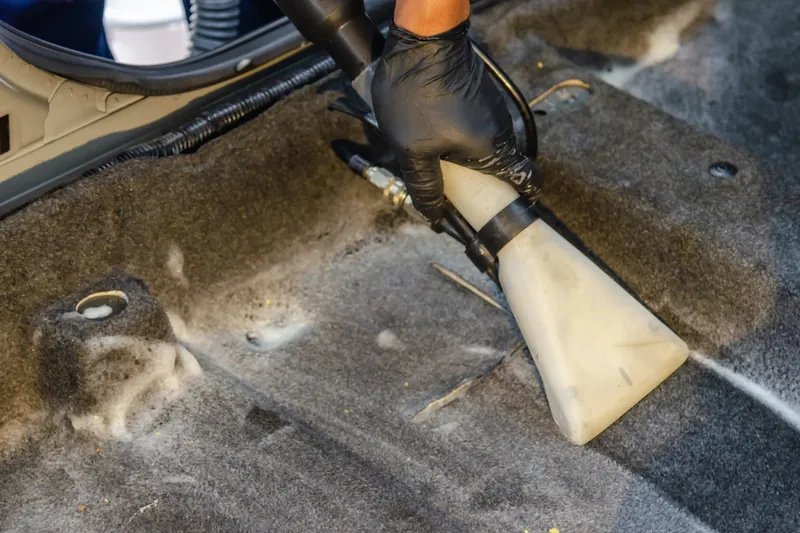
Cleanup treats biohazards on upholstery and carpeting, or removes affected materials safely when needed.
See biohazard carpet and upholstery cleaning
Medical waste removal and disposal through approved treatment facilities.
See medical waste removalTechnicians check whether blood stayed on the surface or reached padding, foam, seams or framing. The outer surface may be treated, though heavily soaked foam beneath upholstery or carpeting often needs removal. Every affected depth needs attention, not just cosmetic treatment of blood you can see.
Wear throwaway gloves, contain liquid with absorbent material and select an EPA-registered disinfectant marked for that surface and organism. Follow every label direction, including contact time. Keep different chemical products separate. Leave the area and seek professional cleanup if blood covers a broad space, reaches porous material or is near sharp items.
Published guides list wide ranges because the scope can vary from one sealed surface to several rooms with porous material removal. This page cites cost-card ranges beginning at $300 and reaching $5,000. An assessment should identify the affected materials, disposal needs and work included for your specific property.
Blood cleanup may be included under your home or renters insurance when the underlying event is a covered loss. You still need to meet policy documentation rules, exclusions and the deductible. Contact the insurance company, ask specifically about biohazard remediation and keep the claim number, photos, affected-item list and cleanup records.
You should ask how the affected area is determined, which materials may be removed, what disinfectant is used and how its label contact time is met. Also ask how waste is packaged, what records you receive, whether odor treatment is needed and what later restoration work remains your responsibility.
You should keep others back, use disposable gloves and prevent any movement that might spread or splash the blood. You can clean a limited amount of blood from a sealed hard surface, then keep an EPA-registered disinfectant wet for its full label contact time. A professional assessment is appropriate when blood enters wood, carpeting, upholstery or small gaps.
Respectful, discreet blood cleanup is available 24 hours a day, and crews arrive in unmarked vehicles.