Hoarding Cleanup
Hoarding cleanup combines respectful sorting, removal and deep cleaning.
See hoarding cleanupClear built-up waste, remove contaminated materials and deep clean an unsafe home with a plan that protects important belongings and explains each stage.
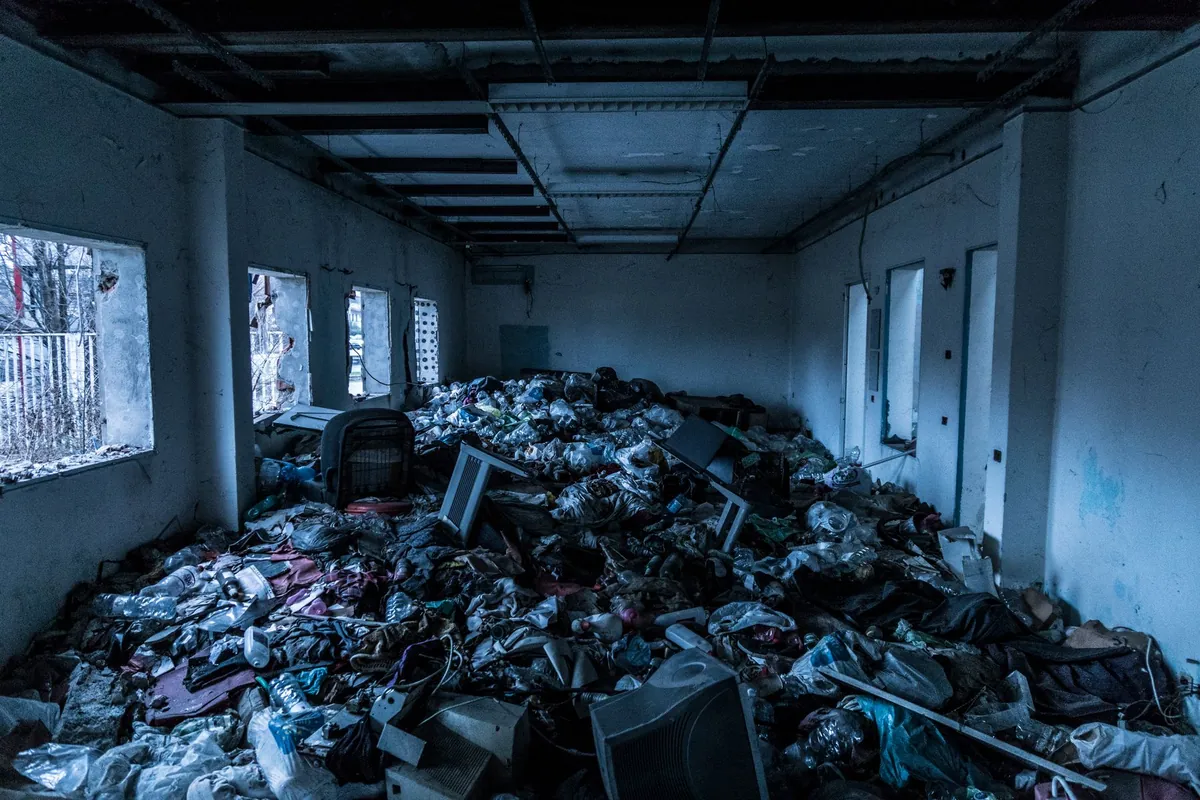
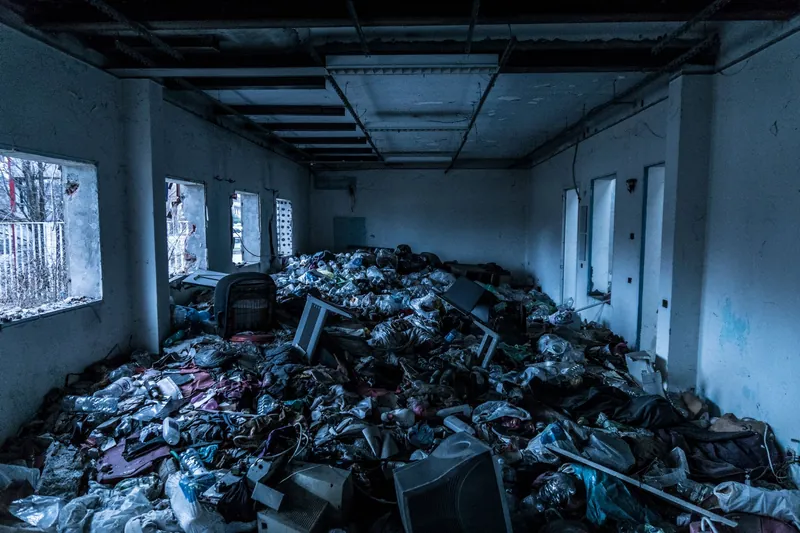
Filth and squalor cleanup removes accumulated trash, spoiled material and unsafe waste, then cleans and disinfects affected areas so the home can be used more safely.
A property can fall into squalor because of sickness, bereavement, reduced movement, pest activity, a plumbing issue or a long gap in regular cleaning. This term describes the home, not its resident. The service should respond to the conditions with practical steps and no judgment.
A cleanup may clear walking routes, sort possessions, discard food and household refuse, wash kitchens and bathrooms, and address lingering odors. The plan must change if the site contains feces, urine, sewage, blood, unsecured sharps or other contamination. In that case, technicians may need protective equipment, biohazard remediation, separated work areas and an appropriate disposal route.
Filth cleaning is not always the same as a full cleanout. Even homes with few belongings worth keeping may face major sanitation problems. In other homes, surfaces remain inaccessible until belongings are sorted carefully. The right cleaning service should base the scope on the affected area, the materials left behind and the decisions you want to make about personal items.
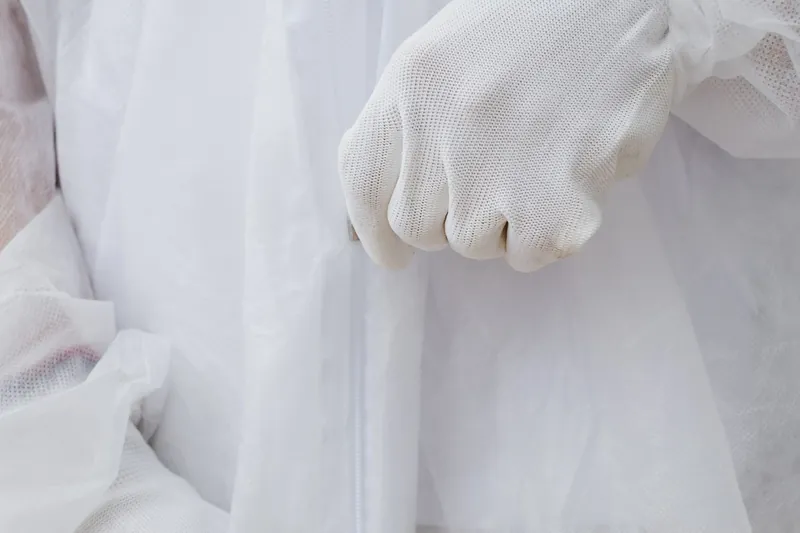
For risks such as pests, spoiled material, loose sharps and bodily fluids, the protective gear, containment and waste disposal method should fit conditions found. Your cleanup plan should set out each step.
Crews reach the site in unmarked vehicles. Workers can organize loading areas and cleanup zones to reduce avoidable notice near your property.
Clear, blame-free explanations guide you through the cleanup. Documentation covers individual rooms, and your objectives guide decisions about sanitary conditions and safety.
The plan separates contents removal, deep cleaning, disinfection, odor treatment and repairs so you can understand what the cleanup involves.
Filth cleaning services are useful when ordinary housekeeping cannot safely reach or restore the affected areas. Common situations include:
Once animals are in a safe setting, feces, urine, food and damaged contents remain, and odors have reached carpet, padding or subfloor.
Before a resident returns after medical treatment or an absence, the home needs usable rooms, sanitary conditions and open paths.
After hospitalization, limited mobility or a health crisis, food, garbage and bathroom residue may accumulate beyond safe do-it-yourself cleaning.
Fixtures and surrounding surfaces have heavy residue, urine or feces that call for protective gear, removal and targeted disinfection.
Start by protecting people and preserving choices about the home. Do not rush into moving waste when the hazards are still unknown. If there is an active medical, fire or safety threat, contact the appropriate emergency response service or law enforcement before cleanup begins.
Call (888) 351-0904Published guides put the range for biohazard-level hoarding between $2,000 and $25,000 while hoarding conditions involving biohazards range between $3,000 and $20,000 in those guides. Yelp gives human waste cleanup an average of $400 to $1,500 for comparison. These are related planning figures because squalor scope varies with buildup, material damage, pest activity, waste types and odor treatment.
These ranges come from published national cost guides, not from a site visit. The price for your property is set after the on-site assessment, and you hear it before work starts.
Ask about cost: (888) 351-0904Insurance may cover damage tied to a covered event, but routine neglect, accumulated waste and general cleaning are often treated differently. Insurance companies use your policy and the documented cause of damage to make that decision.
Ask your insurance company if a covered plumbing problem or another abrupt event contributed to the property damage. Cleaning unrelated to that event may be considered separately.
Payment choices, scope signatures and removal approval need confirmation from an executor or authorized representative before moving personal property.
The lease, property condition and local requirements can affect who arranges access and payment. Tenant belongings should not be discarded until the person with authority confirms the plan.
Confirm the cause of loss, documentation requirements, affected areas within coverage and whether the claim treats restoration, sanitation and removal separately. Organizing supporting records for your adjuster may be part of insurance assistance.
The details vary by situation, but each remediation follows an organized path through safety checks, sorting, removal, thorough cleaning and the final walkthrough. This sequence stops contaminated contents from crossing into finished areas again.
In rooms that can be reached, cleanup technicians locate affected areas and document waste, pest activity, moisture, sharps, obstructed paths and materials that could need removal.
Workers set boundaries for the cleanup and preserve a clean exit route. Workers choose respiratory and eye protection, gloves and protective clothes based on conditions at the property.
Documents, medication, photographs, valuables and uncertain belongings are separated from waste so you or an authorized person can decide what happens to them.
Garbage, decayed materials and authorized unwanted contents are secured for removal. Workers prevent contaminated bags from crossing cleaned rooms and keep sharp objects separate from ordinary trash.
Deep absorption of waste or liquid can make full cleaning impossible and require taking out drywall, cabinets, subfloor, carpeting or padding.
Cleaning comes before disinfection on uncovered hard materials. An EPA-registered disinfectant must remain wet for every minute of label contact time wherever disinfection is necessary.
Eliminate the smell's source before other treatment. Once sources are gone, targeted surface work, HEPA vacuums and air scrubbers may address lingering particles and odor in affected areas.
During the closing inspection, you check cleared areas, retained items, removed materials and outstanding restoration services for pests, plumbing, drying or construction. You receive information about work that is still needed before you move forward.
Phone any hour. A filth and squalor cleanup specialist answers, explains the steps and agrees a start time with you.
Yes. Heavy buildup can pose serious health risks if it includes moisture, waste, sharp items or unstable contents, even when its outer surface appears dry.
Loss, health problems or diminished independence can be tied to difficult conditions at home. Calm information helps residents and loved ones reach clear decisions about personal property.
Contamination from feces and urine can reach wood, wall material, grout and carpeting. Wiping the exposed surface may leave smells and contamination within porous material.
Open garbage and spoiled foods can sustain pest activity from insects or rodents. Droppings, nesting material and pest-damaged contents should be identified before piles are moved or dry debris is disturbed.
Can you clean it yourself? Cleaning may be reasonable for minor everyday dirt on an intact non-porous surface when you use gloves and obey the product label. End your cleaning attempt when animal waste or human waste is present, or if you see sewage, unsecured sharps, an unidentified chemical, shifting piles or contamination absorbed by porous material.
Many hard surfaces can remain when thorough washing and disinfection can clean them. Removal may be needed for porous belongings or materials that have absorbed waste, liquids or odor.
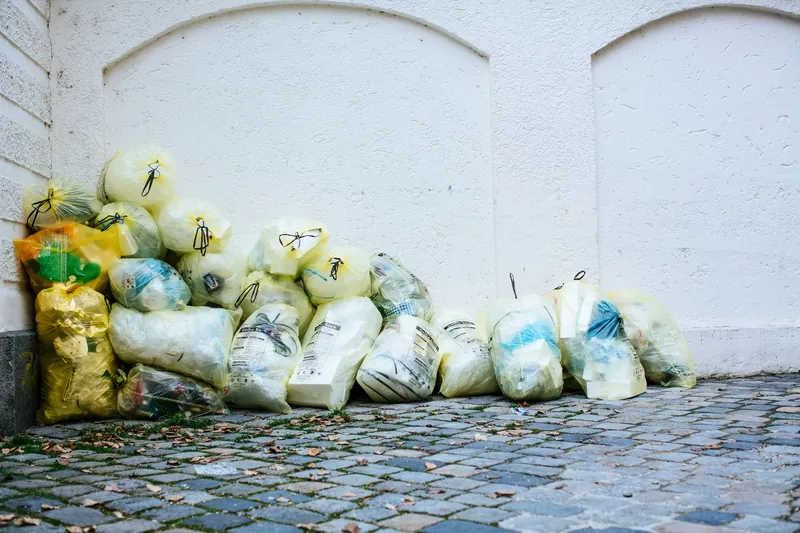
At 29 CFR 1910.1030, requirements in the OSHA Bloodborne Pathogens Standard cover training, exposure controls and protective equipment when workers might encounter blood or material that could be infectious.
Follow the label whenever you apply an EPA-registered disinfectant. The product can work as directed only when the surface remains wet throughout its stated contact time.
Oklahoma treats soaked materials from a biohazard scene as regulated medical waste. Rules from the Department of Environmental Quality's Land Protection Division control how it is processed and treated, so it cannot go in household trash.
Local health and building rules can affect how a contaminated room is cleaned and when it can be used again, so mention any notice you have received from the city or county.
A limited area may require about a day, and work across several rooms can last multiple days. Squalor throughout an entire home may need a week or longer if access is restricted, possessions require decisions or contaminated material needs removal.
The full filth and squalor cleanup guide covers what is cleaned or removed, odor and air quality work, and the rules that apply in your state.
Read the full filth and squalor cleanup guidePlanning for access, containment and cleanup can depend on local population, housing and entry conditions.
Knowing that O U Medical Center is about 1.4 miles away helps households plan where to seek care before arranging scene cleanup.
Nearby communities include team, Downing, and Johnstons, useful geographic references when explaining a property location to a cleanup crew.
The Oklahoma County location helps orient travel, while the neighborhood and full address identify where private cleanup work actually occurs.
Your phone conversation can include questions about service in nearby ZIP codes and communities.
Hoarding cleanup combines respectful sorting, removal and deep cleaning.
See hoarding cleanup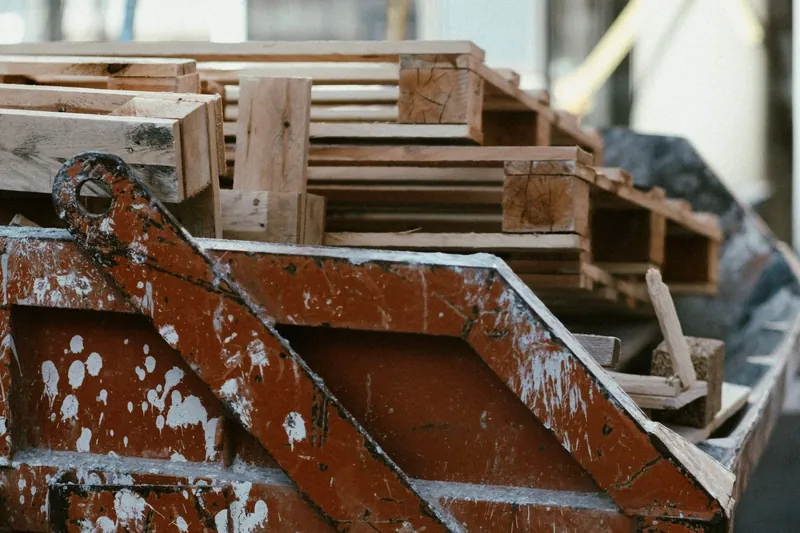
Hoarder house cleanout clears a home room by room and includes hauling away trash.
See hoarder house cleanout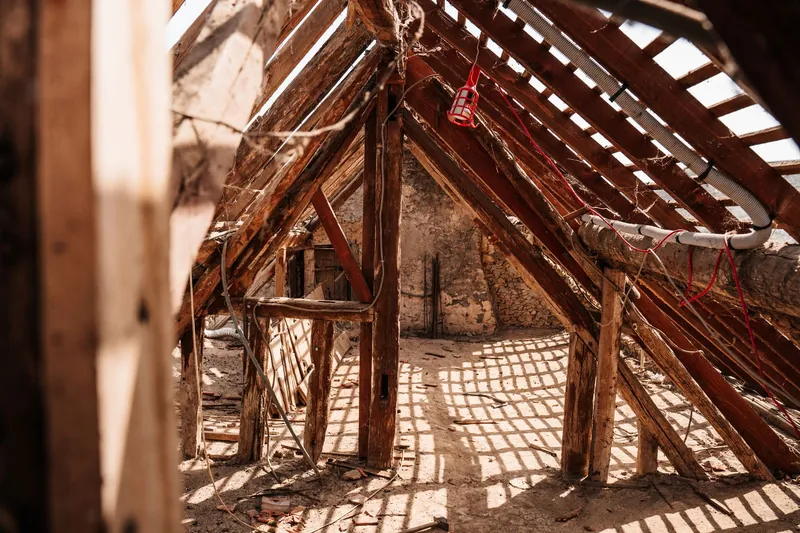
Urine-saturated materials, ammonia odor and waste are addressed through animal hoarding cleanup.
See animal hoarding cleanup
Disinfection accompanies human feces cleanup in public restrooms, homes and rental properties.
See human feces cleanup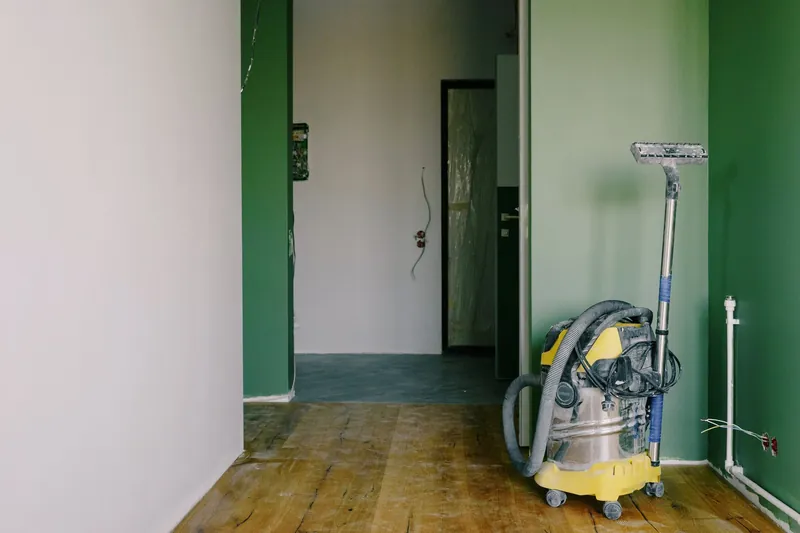
Floors, underlying subfloors and furniture receive urine cleanup with odor removal.
See urine cleanup
Any property receives disinfection after removal of infectious materials, including bodily fluids and blood.
See biohazard cleanup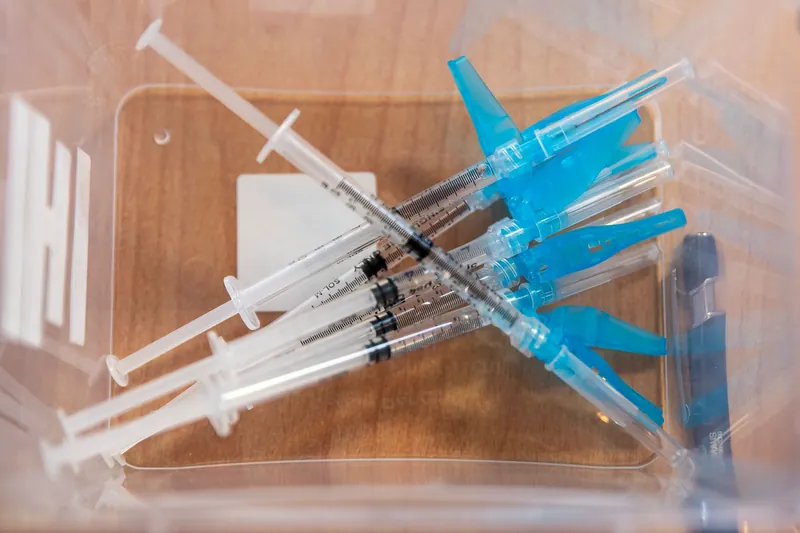
Needle and sharps cleanup for yards, rentals, parks and encampments.
See needle and sharps cleanup
Biohazard cleanup for hotels, Airbnb units and rental properties.
See hotel, airbnb and rental biohazard cleanupThe answer varies based on the hazards found and the rooms involved. Remain clear of cleanup areas, and prevent pets or children from entering. Consider staying elsewhere if blocked exits, widespread waste, an unusable sole bathroom or kitchen, or cleaning and odor work make occupied areas unsuitable.
Yes! Cleaning can be possible for non-porous personal property that is undamaged and easy to reach. Workers may keep photographs, records, medicine and items of value apart for your decisions. Porous items may need removal if urine, feces, wastewater or another contaminant soaked through them. The reason for discarding an item should be clear to you first.
A single accessible space with light buildup could take approximately one day. Multiple rooms commonly take several days, while a home with severe impact may require a week or more. Content decisions, obstructed access, pest activity, contaminated absorbent materials, odor sources, plumbing issues and repairs may make the cleaning process longer.
A separate decision zone may hold your records, medication, keys, photos, valuables and property with an uncertain outcome. Salvageable personal items can be kept. Removal may be necessary for belongings that are damaged, heavily contaminated or affected by pests, but both the reason and authorized decision-maker must be clear first.
Coverage depends on the policy and what caused the damage. Damage tied to a covered abrupt event can receive different treatment from general cleaning and long-standing accumulation. Confirm the cause of loss with the insurance company, learn what documentation to submit and find out if removal, cleaning and repairs receive separate consideration.
The process clears accumulated waste and carefully cleans homes where sanitation conditions have become unsafe. Work may include disinfecting affected areas, treating odors, sorting personal property, removing spoiled contents, cleaning hard surfaces and taking out porous materials that cannot be cleaned safely.
Discreet, respectful filth and squalor cleanup, 24 hours a day, with crews in unmarked vehicles.