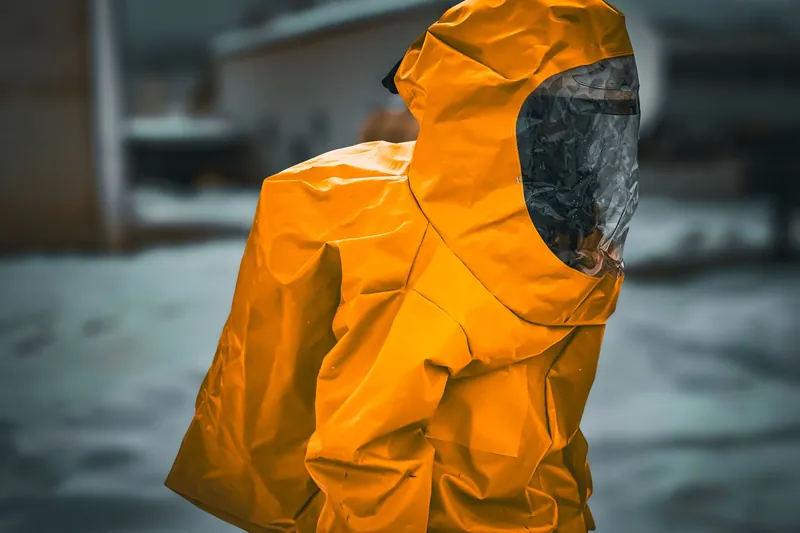
Biohazard Cleanup
Any property receives disinfection after removal of infectious materials, including bodily fluids and blood.
See biohazard cleanupAn unsafe space affected by sewage, blood, bodily fluids or another biological hazard should remain off limits to people. Seek clear next steps right away. Work can start once law enforcement or the responsible officials release the area.
Emergency biohazard cleanup urgently contains biological contamination before its removal, cleaning and disinfection. It covers human waste, bodily fluids, blood and similar hazards that could cause injury or illness through exposure.
Situations leading to this work include accidents, major blood spills, trauma scenes, crime scenes, sewage backups and unattended deaths. First, emergency cleanup limits the spread into areas that are still clean. Cleanup technicians assess the affected space, isolate it and decide how to perform the work in the safest order.
Ordinary cleaning removes visible dirt. Biohazard remediation goes further. It includes protective equipment, careful removal of contaminated materials, surface cleaning, use of an EPA-registered disinfectant for its full label contact time, hazardous waste packaging, odor removal and a final inspection. The goal is a clean space that can move toward normal use again.
You receive a cleanup process explanation covering planned cleaning, possible material removal and cost factors before work begins.
Waste records, images and project notes can help either an insurance company or a property manager understand biohazard remediation.
Crew members travel in unmarked vehicles. The affected space may be screened from visitors, nearby residents and other areas that remain unaffected.
You can explain the situation day or night and get immediate safety instructions while access, scene release and cleanup needs are assessed.
Emergency biohazard cleaning is needed when biological material creates a serious health risk or could spread through a home, vehicle or workplace. Common situations include:
When a death is discovered later, cleanup may involve removing fluids, treating odor and cautiously sorting belongings close by.
A sewage backup contains Category 3 black water. Affected floors, contents and walls may have to be dried, cleaned or taken out.
Work can start once law enforcement confirms all evidence has been collected and releases the scene.
An accident, suicide or violent event can leave affected areas, whether one space or several, with bodily fluids and material damage.
Prevent exposure first, and do not let the contamination spread. While professional cleanup is being arranged, use these steps:
Call (888) 351-0904Emergency work has no distinct range in published guides. For biohazard cleanup in general, the guides show a typical national range from $3,000 to $5,000. Residential averages span $1,800 to $4,500; most home projects fall between $2,500 and $8,000. The complete span published by Fixr is $1,500 to $25,000. Final cost can also be affected by urgency.
These national ranges are taken from published cost guides, rather than a property visit. The price for your property is set after the on-site assessment, and you hear it before work starts.
Ask about cost: (888) 351-0904Some homeowners, renters and commercial policies may cover biohazard cleanup when it follows a covered sudden event, but coverage depends on the policy, cause, limits and deductible.
Save your scene release, claim identifier, photographs, work scope, bills and documentation for waste. Ask your adjuster what must be documented before the scene is changed by cleanup.
The renter needs to contact the landlord or management for the property. Who is responsible may vary with the contamination location, its cause, the lease and applicable policy.
Explain the event to the insurance company, then ask if the claim includes cleanup, material removal, odor work and later restoration.
Victims of violent crime can ask the Oklahoma Crime Victims Compensation Program, run through the Oklahoma District Attorneys Council, about crime scene cleanup, which the Crime Victims Compensation Act lists as an allowable expense. Insurance is usually checked first.
The emergency response follows a controlled order so contaminated material does not move into clean areas. Every situation is different, but the cleanup process usually includes these steps:
Cleanup technicians identify the type of contamination, trace the affected area and note materials, access limits and immediate safety concerns.
The work zone is separated from clean rooms. The exposure risk and required work determine which protective gear and clothing are used.
Collection methods keep affected debris and liquids from moving into clean areas. Materials that cannot be fully cleaned are removed in controlled sections.
Visible soil is removed before disinfection. The disinfectant can reach the underlying surface after debris is cleaned away.
For cleanable areas, crews use an EPA-registered disinfectant and maintain surface wetness throughout the labeled contact time.
Medical or regulated waste requirements call for contaminated materials and sharps to travel in proper sealed containers.
Following removal of the source, particles and odor along nearby air routes and inside the room can be addressed with air scrubbers or other suitable treatment.
Crews examine the work zone to find residual contamination. Property owners and insurance companies can receive clearer work details through images, scope documentation and records for disposed waste.
You can call anytime. An emergency 24/7 biohazard cleanup specialist answers, explains the steps and agrees a start time with you.
Even a spot that appears small or dry can present serious health concerns when it contains body fluids, sewage, sharps or blood.
Needles, broken glass and contaminated porous materials can cut skin or cause exposure. Those items must be packaged securely and discarded according to relevant waste rules.
Blood can contain HIV, hepatitis C or hepatitis B. The CDC reports that hepatitis B can survive for at least seven days on surfaces, which means dried blood continues to require care.
Fluids can travel under baseboards and soak through carpet, padding, subfloor, drywall or furniture. Cleaning only what you see might leave contamination underneath.
Can you clean it yourself? Cleaning a few drops of fresh blood from non-porous, hard material may be possible with single-use gloves and disinfectant registered by the EPA, applied for the full labeled contact time. Choose professional cleanup when you do not know the origin, the spill reached absorbent items, sharp objects exist or the entire boundary is not visible.
Cleanable surfaces can stay when every affected part is reachable for full disinfection. Materials with pores need removal if contamination has penetrated beyond what effective cleaning can reach.
For jobs where blood contact is possible, workplace training, protective equipment, exposure safeguards and related methods are governed by the OSHA Bloodborne Pathogens Standard.
A disinfectant must be suitable for the target pathogen and surface. The surface stays wet for the contact time printed on the product label.
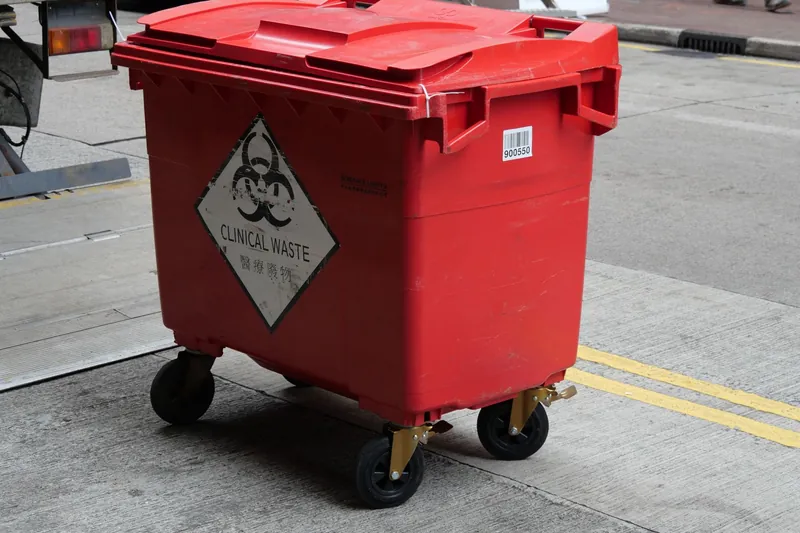
Oklahoma treats soaked materials from a biohazard scene as regulated medical waste. Rules from the Department of Environmental Quality's Land Protection Division control how it is processed and treated, so it cannot go in household trash.
Oklahoma uses a statewide medical examiner system, with the Office of the Chief Medical Examiner investigating sudden, violent, unexpected and suspicious deaths. Cleanup starts after police or the medical examiner or coroner release the scene.
Emergency biohazard cleanup has no set duration. Its timing is shaped by the contamination type, how many areas are affected and which materials are involved. Hidden layers reached by fluids and the timing of the scene release also affect the schedule.
The full emergency 24/7 biohazard cleanup guide covers what is cleaned or removed, odor and air quality work, and the rules that apply in Oklahoma.
Read the full emergency 24/7 biohazard cleanup guideContainment, entry and cleanup plans can be influenced by local housing, population and access details.
The relatively small 7.8% rental share does not change safety needs, but it can make property decisions more direct.
Homes centered around a 2004 build year may have open layouts, which can allow odor to reach adjoining living areas.
A 20.2% share living alone still matters because delayed discovery can increase odor movement and the amount of affected material.
Detached and single-family properties account for 78.3% locally, so exterior access and safe waste movement should be planned early.
Ask on the call about cleanup options for neighboring communities and ZIP codes.
Any property receives disinfection after removal of infectious materials, including bodily fluids and blood.
See biohazard cleanup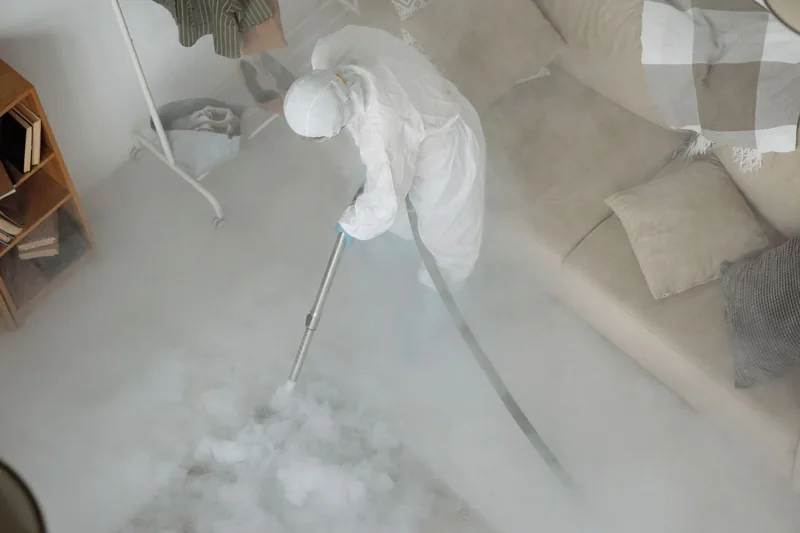
After exposure to infectious or hazardous material, the air, room and surfaces are fully decontaminated.
See biohazard decontamination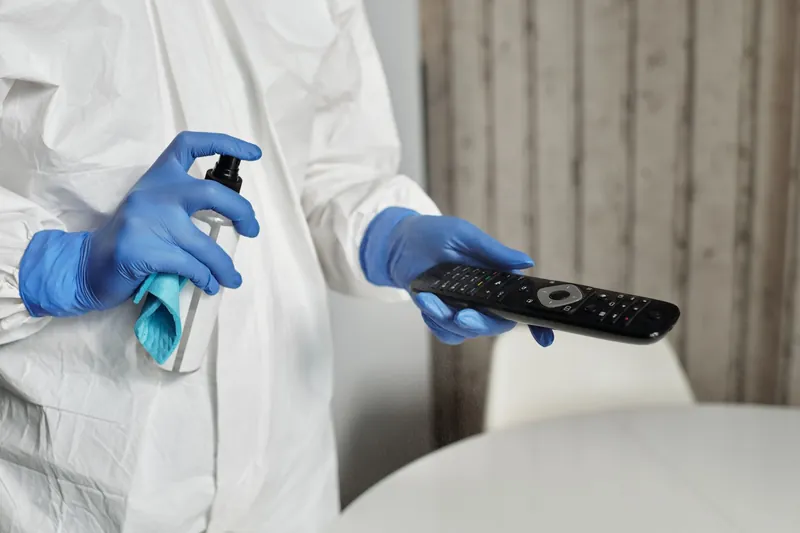
Contamination is cleared through biological remediation, returning the space to safe use.
See biohazard remediation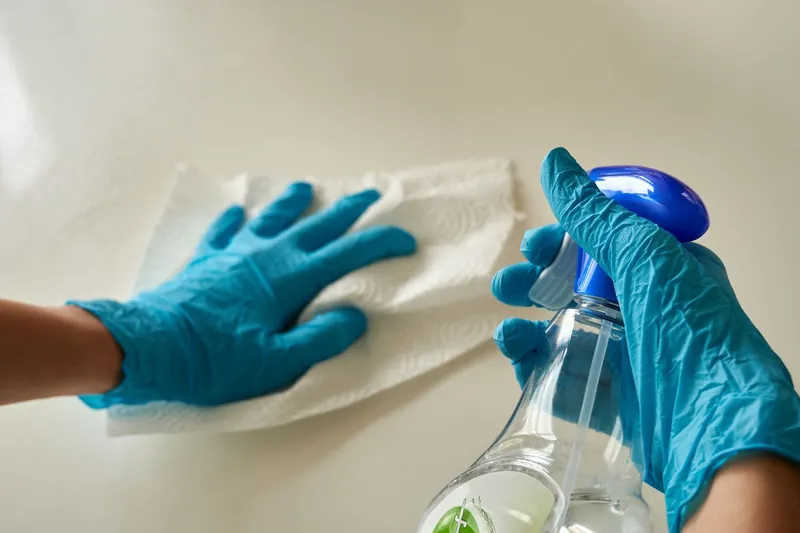
Walls, carpets, furnishings and hard floors receive blood cleanup, with safe disposal afterward.
See blood cleanup
Trauma scene cleanup after accidents, injuries and violent events.
See trauma scene cleanup
Crime scene cleaning begins after police release and covers blood, odor and the affected property.
See crime scene cleanup
Cleanup after an undiscovered death includes odor control and the effects of days of decomposition.
See unattended death cleanup
Sewage cleanup removes Category 3 black water from raw sewage, then disinfects and dries the area.
See raw sewage cleanupBlood, certain bodily fluids, human waste, sharps, sewage and materials contaminated by them can be biohazards. Risk varies with origin, amount, affected surface and possible exposure path. When you do not know the source or full boundary, keep people away and seek guidance before touching or cleaning anything.
Coverage may apply. Whether coverage applies is determined by what caused the event, policy terms, exclusions, limits and your deductible. Ask your insurance company about biohazard cleanup, removing materials, odor treatment and restoration. Retain your claim number along with photos, official release, project details, invoices and disposal records.
Keep clear of the spill, prevent access and use 911 if someone needs medical help. Leave blood and sharps untouched, await law enforcement release of a controlled scene, report occupational exposure properly and schedule cleanup. Stay outside the affected area and leave household cleaning supplies unused.
A small amount of your fresh blood on hard, non-porous material may be cleanable using gloves and an EPA-registered disinfectant suited to the surface for the full contact period. Avoid attempting the work when the origin is unknown, the contamination reached porous items, sharps exist or its complete boundary cannot be identified.
Emergency responders, law enforcement and medical examiners complete their work without cleaning the affected property. The property owner, family, landlord or another responsible party arranges death cleanup after release of the scene. A professional cleanup crew can take out contaminated material, disinfect affected surfaces, address odors and create work records.
The time depends on the contamination, surfaces, number of rooms and whether fluids reached subfloor, wall cavities or furnishings. A small hard-surface area may take one work period. The area might need more than one stage to become ready for restoration if work includes porous material removal, odor control or many rooms.
You can request respectful, discreet emergency 24/7 biohazard cleanup 24 hours a day, and crews use unmarked vehicles.