Biohazard Cleanup
Removal and disinfection of blood, body fluids and other infectious material from any property.
See biohazard cleanupDo not let people enter a space made unsafe by bodily fluids, blood, sewage or another biological hazard. Ask for clear guidance without delay. If law enforcement or other authorities are involved, the affected area must be released before cleanup starts.
Emergency biohazard cleanup urgently controls and removes biological contamination, then cleans and disinfects the affected space. It applies to human waste, blood, bodily fluids and other material that could cause illness or injury through exposure.
Emergency cleanup may be necessary after an unattended death or crime scene, as well as a trauma, accident, sewage backup or substantial blood spill. The initial priority is stopping biological contamination from spreading beyond the affected space. Technicians locate the impact, establish isolation and organize a safe order for each cleanup task.
Removing what you can see is only ordinary cleaning. Remediation also calls for protective equipment, cautious removal of contaminated materials and cleaning each surface. An EPA-registered disinfectant is then used for all of its label contact time. The remaining work includes hazardous waste packaging, odor treatment and final inspection, with a clean space moving toward normal use as the goal.
You hear what will be cleaned, what may need removal and what affects cost before the cleanup process moves forward.
At night or during the day, you can share the circumstances and get immediate safety steps as access, scene status and necessary cleanup are considered.
Your explanation of biohazard remediation to a property manager or insurance company may be supported by photographs, scope records and disposal documents.
Crews arrive in unmarked vehicles. The affected space may be screened from visitors, nearby residents and other areas that remain unaffected.
A serious health risk from biological material, or the chance that it will spread across a workplace, vehicle or home, can make emergency biohazard cleaning necessary. Common circumstances are:
Before cleaning may begin, law enforcement needs to finish collecting evidence and release the area.
An accident, suicide or violent event may leave bodily fluids and damaged materials across one or more affected areas.
A sewage backup contains water classified as Category 3 black water. Contents, floors and walls might require removal, drying or cleaning.
Blood on flooring, furniture or walls can reach seams and porous layers. Stay out of the spill and keep other people at a distance.
Prevent exposure first, and do not let the contamination spread. While professional cleanup is being arranged, use these steps:
Call (888) 351-0904Published guides do not list a separate range for emergency work. General biohazard cleanup guides list a typical national range of $3,000 to $5,000. The residential average range is $1,800 to $4,500 and most residential projects range from $2,500 to $8,000. Fixr also publishes a full span of $1,500 to $25,000. Urgency is one factor that can change the final price.
The figures shown are national ranges from published cost guides and are not based on an on-site visit. The price for your property is set after the on-site assessment, and you hear it before work starts.
Ask about cost: (888) 351-0904Some homeowners, renters and commercial policies may cover biohazard cleanup when it follows a covered sudden event, but coverage depends on the policy, cause, limits and deductible.
Preserve records including the claim number, authorization releasing the scene, images, project scope, invoices and waste documents. Confirm the adjuster's documentation requirements prior to any work that changes the scene.
When contacting the insurance company, describe what occurred and confirm whether cleaning, removal, odor treatment and future repairs are covered by the claim.
The renter needs to contact the landlord or management for the property. Responsibility can depend on the cause, lease, policy and location of the contamination.
Victims of violent crime can ask the Oklahoma Crime Victims Compensation Program, run through the Oklahoma District Attorneys Council, about crime scene cleanup, which the Crime Victims Compensation Act lists as an allowable expense. Insurance is usually checked first.
Emergency response work is ordered carefully to limit movement of contaminated material toward clean spaces. The circumstances vary in every case, while the usual cleanup process contains these steps:
Cleanup technicians determine the contamination type and trace the affected area while noting materials, entry limits and current safety concerns.
The affected work space is contained apart from clean rooms. The exposure risk and required work determine which protective gear and clothing are used.
Contaminated debris and fluids are gathered in a way that limits their spread. Controlled sections of material are taken out when complete cleaning is not possible.
Disinfection follows the removal of visible soil. The disinfectant can reach the underlying surface after debris is cleaned away.
Surfaces suitable for cleaning stay wet with an EPA-registered disinfectant for all of the contact time listed on its label.
Contaminated materials and sharp objects are sealed in suitable containers before transport under medical or regulated waste rules.
After the source is removed, air scrubbers and other suitable treatments can address particles and odor in the room and nearby air paths.
The work area is checked for remaining contamination. Photos, scope notes and waste records can support communication with property owners and insurance companies.
You can call anytime. An emergency 24/7 biohazard cleanup specialist answers, explains the steps and agrees a start time with you.
Serious health risks can come from sewage, sharps, blood and body fluids, regardless of whether the area seems dry or limited in size.
Blood can contain HIV, hepatitis C or hepatitis B. Dried blood needs cautious handling because, according to the CDC, hepatitis B may live on surfaces for at least seven days.
Exposure or skin cuts may result from needles, shattered glass and porous items carrying contamination. They need secure packaging and disposal under applicable waste rules.
Fluids can travel under baseboards and soak through carpet, padding, subfloor, drywall or furniture. Cleaning only what you see might leave contamination underneath.
Can you clean it yourself? On a sealed hard surface, a few fresh blood drops may be cleaned while you wear disposable gloves and keep EPA-registered disinfectant wet throughout the label contact period. Choose professional cleanup when you do not know the origin, the spill reached absorbent items, sharp objects exist or the entire boundary is not visible.
No single cleanup timeline applies to every situation. The schedule varies with the kind of contamination, affected area count and materials involved, along with any fluid penetration into hidden layers and the time at which authorities release the scene.
| Scene | Typical time on site |
|---|---|
| Limited affected area on a hard surface | May need one work period following the initial assessment |
| One affected room where porous items must come out | Several work stages might be needed to remove materials, clean and inspect |
| Several rooms, odor or structural impact | May require multiple work periods before restoration begins |
Finding the contaminated source and taking it out is the starting point for odor removal. Surface sprays or fragrance will not resolve fluid beneath floors, within furniture or behind walls. Before treating the air, those affected materials must either be removed or cleaned.
HEPA air scrubbers may filter particles carried in the air as the workspace remains controlled. In an appropriate occupied setting, hydroxyl treatment may be possible. Ozone can only be used with the controlled space empty and reentry managed carefully. Method selection varies according to affected materials, the source and air movement paths. HVAC openings are examined when odors may have spread into nearby spaces.
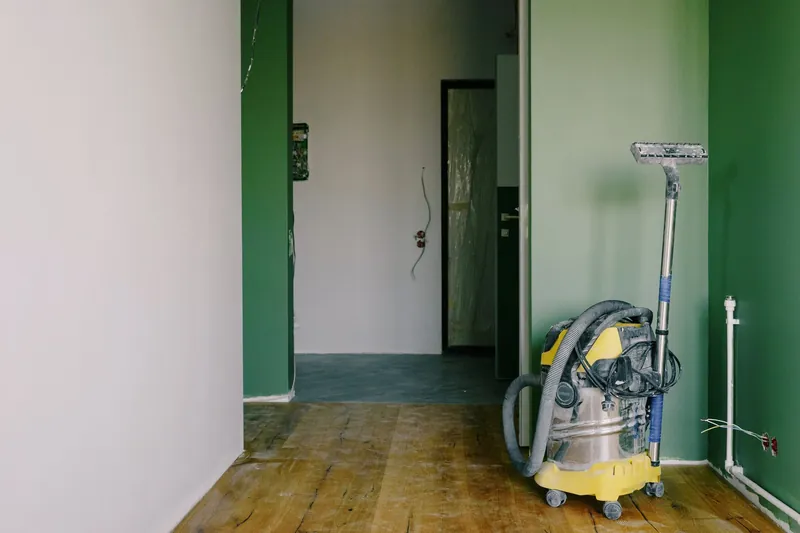
The OSHA Bloodborne Pathogens Standard establishes work rules on training, protective equipment, exposure controls and connected practices for employees who might encounter blood.
A disinfectant must be suitable for the target pathogen and surface. The surface stays wet for the contact time printed on the product label.
Oklahoma treats soaked materials from a biohazard scene as regulated medical waste. Rules from the Department of Environmental Quality's Land Protection Division control how it is processed and treated, so it cannot go in household trash.
Oklahoma uses a statewide medical examiner system, with the Office of the Chief Medical Examiner investigating sudden, violent, unexpected and suspicious deaths. Cleanup starts after police or the medical examiner or coroner release the scene.
The full emergency 24/7 biohazard cleanup guide covers what is cleaned or removed, odor and air quality work, and the rules that apply in Oklahoma.
Read the full emergency 24/7 biohazard cleanup guide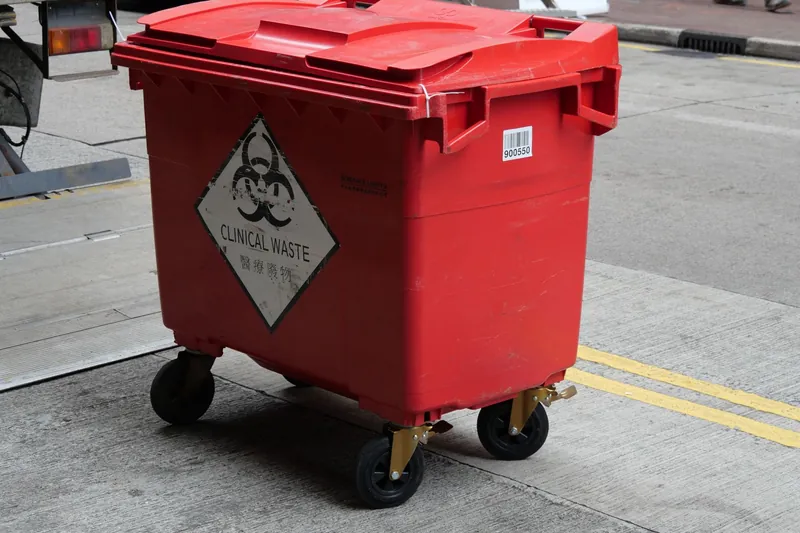
Local housing, population and access details can shape containment, access and cleanup planning.
The approximately 0.5 mile trip to Mcbride Orthopedic Hospital matters when an injury must be assessed before anyone returns to the affected space.
Britton is near May-Penn, Westmont, and Military Park, which can matter when family members are arriving from surrounding communities.
Neighborhood level directions help narrow the location, but crews still need entrance details before bringing containment and cleaning equipment inside.
Your phone conversation can include questions about service in nearby ZIP codes and communities.
Removal and disinfection of blood, body fluids and other infectious material from any property.
See biohazard cleanup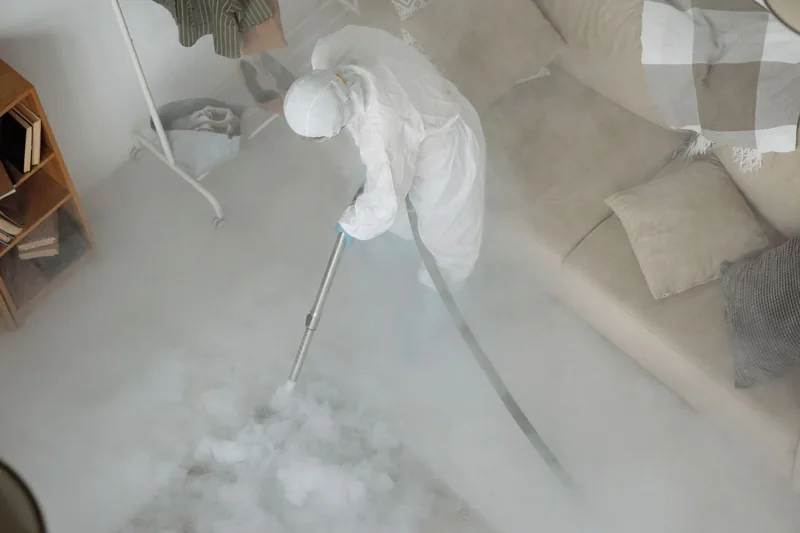
Complete decontamination treats the room, its surfaces and the air after a hazardous or infectious exposure.
See biohazard decontamination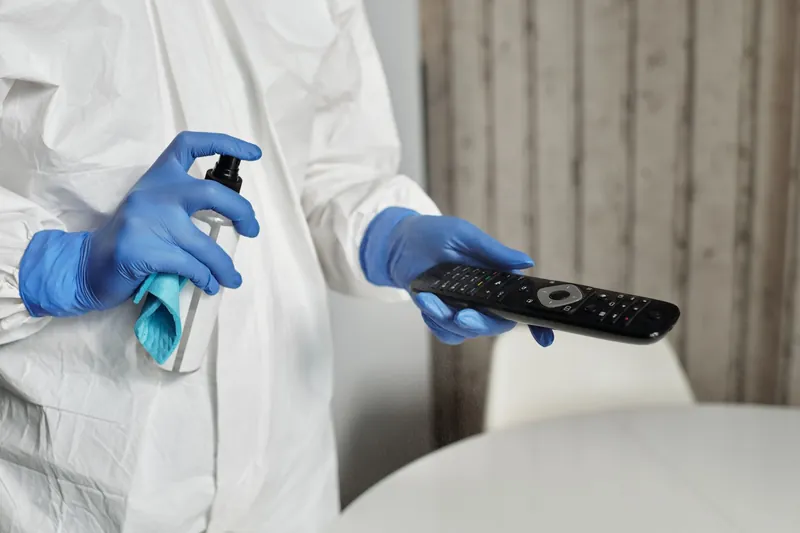
Biological remediation removes contamination so the space can be safely used again.
See biohazard remediation
Blood cleanup on carpet, hard floors, walls and furniture with safe disposal.
See blood cleanup
Following accidents, violence or injuries, trauma scene cleanup addresses the affected area.
See trauma scene cleanup
After police release the property, crime scene cleaning addresses blood and odor.
See crime scene cleanup
Decomposition cleanup and odor control are needed after a death goes unnoticed for several days.
See unattended death cleanup
Raw sewage cleanup of Category 3 black water, with disinfection and drying.
See raw sewage cleanupYes, potential infection risks still require careful handling of dried blood. The CDC states that surface survival for hepatitis B can reach at least seven days. Avoid scraping, sweeping or vacuuming it, since those actions can spread material. For contamination beyond one small surface mark, keep people back and seek proper cleaning.
Police, emergency personnel and the medical examiner or coroner do not clean the property after their work is complete. Scene release comes before the family, owner, landlord or another responsible party can arrange death cleanup. A professional cleanup team can remove contamination, disinfect surfaces, treat odor and document the work.
Yes, odor treatment may apply when the scene caused it. Because fragrance merely covers the issue, the odor source must be removed before other treatment. Suitable air methods may address odors that remain after contaminated materials undergo cleaning or removal. The work may also include checking nearby rooms and HVAC openings for affected air paths.
Using gloves and disinfectant registered by the EPA for the entire contact time may make a few fresh drops of your blood manageable on sealed hard material. Leave cleanup to professionals if you cannot identify the source or full spill area, or when sharp objects or porous surfaces are involved.
No separate emergency price range appears in published guides. General biohazard guides list $3,000 to $5,000 as a typical national range and $1,800 to $4,500 as a residential average range. Final cost may vary with the contaminant, affected area size, absorbent surfaces, waste disposal requirements and urgency.
Leave the spill area and restrict entry, calling 911 when medical assistance is needed. Avoid contact with blood and sharp objects, do not reenter a controlled scene before law enforcement releases it, use the correct workplace exposure channel and organize cleanup. Do not enter the affected area on foot or begin cleaning it yourself.
You can request respectful, discreet emergency 24/7 biohazard cleanup 24 hours a day, and crews use unmarked vehicles.