Biohazard Cleanup for Apartments and Houses
For death, blood, crime or hoarding, cleaning is available in apartments, high-rise units, houses and condos, along with sewage cleanup.
Learn moreWhen a death, a crime, hoarding or a sewage backup leaves a biohazard behind in Asian District, a cleanup specialist can explain the next steps.
Local population patterns, housing and site access may affect how containment and cleanup are planned.
The approximately 1.6 mile trip to SSM Health St Anthony Hospital - Oklahoma City matters when an injury must be assessed before anyone returns to the affected space.
The location sits near Military Park, Pleasant View, and Westmont, making local landmarks helpful when a property entrance is hard to find.
A neighborhood address can differ from its broader city label, making the full street and unit information important for discreet cleanup access.
The safe disposal, removal and disinfection of bodily fluids, blood, tissue and other hazardous materials after an accident, crime, death, sewage backup or hoarding situation is biohazard cleanup.
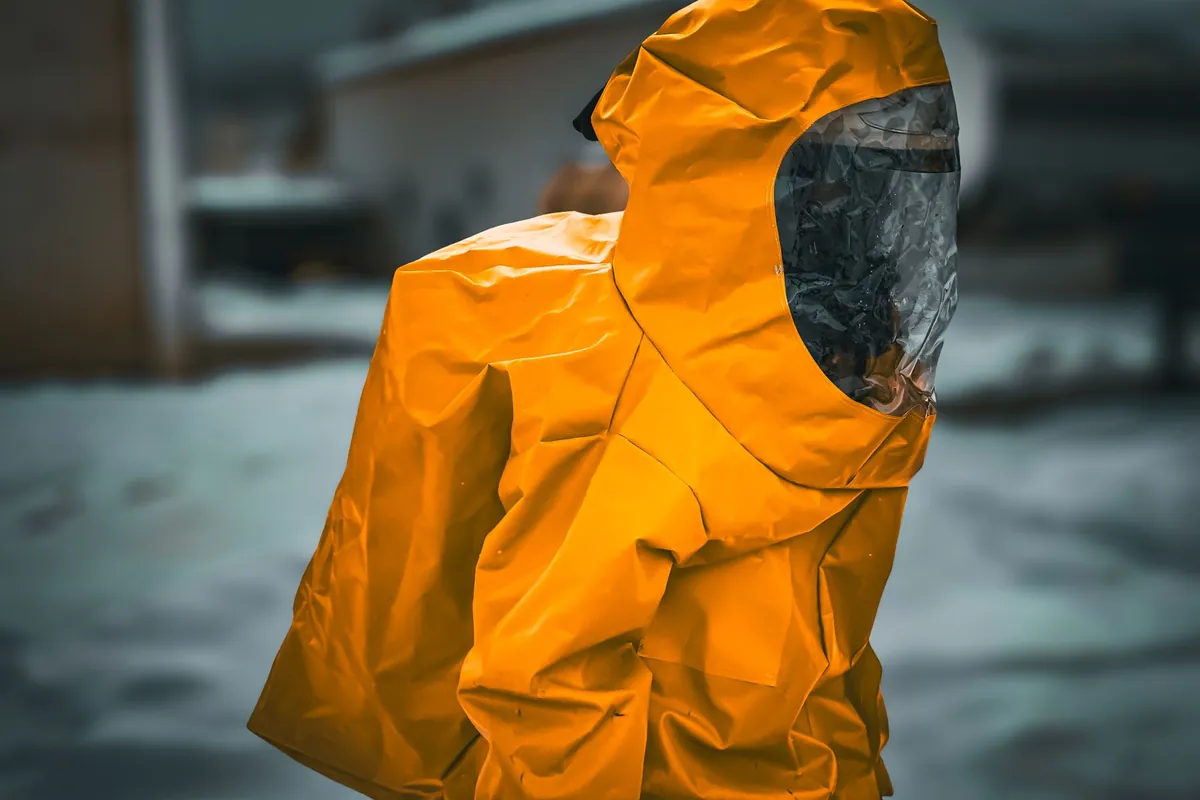
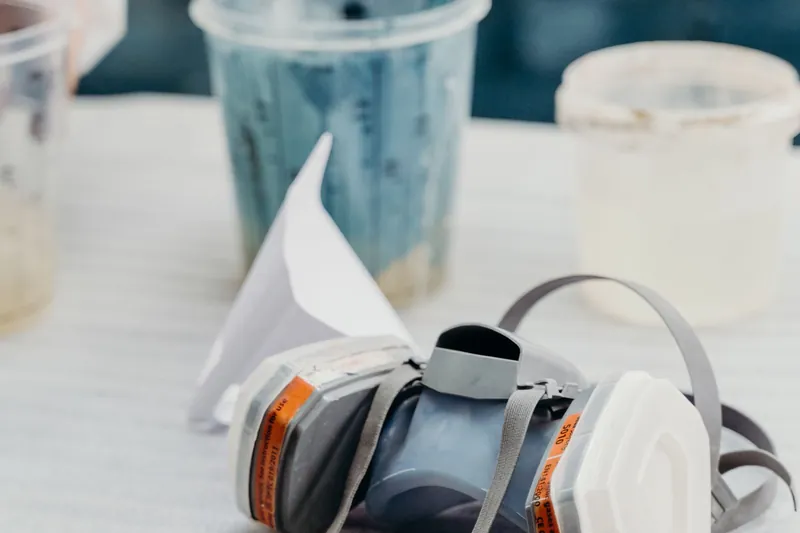
You may also hear it called trauma cleanup, bio cleanup, biohazard remediation or bio hazard cleaning. Deep cleaning alone is not professional biohazard cleanup. Technicians wear personal protective equipment, track where contamination traveled, discard porous items beyond disinfection and treat all affected areas until the property returns to a livable condition.
Biohazard removal services in Asian District reach the surrounding areas as well, with emergency response for crime scenes and other traumatic events. Crime scene cleaning, scene cleaning after an unattended death, hazardous waste removal and fentanyl cleanup all count as specialized cleaning. Crime scene cleaners work quietly to restore safety and offer respectful, compassionate service at a hard time.
The health hazards from biohazards are real. What is visible usually represents only part of the contamination.
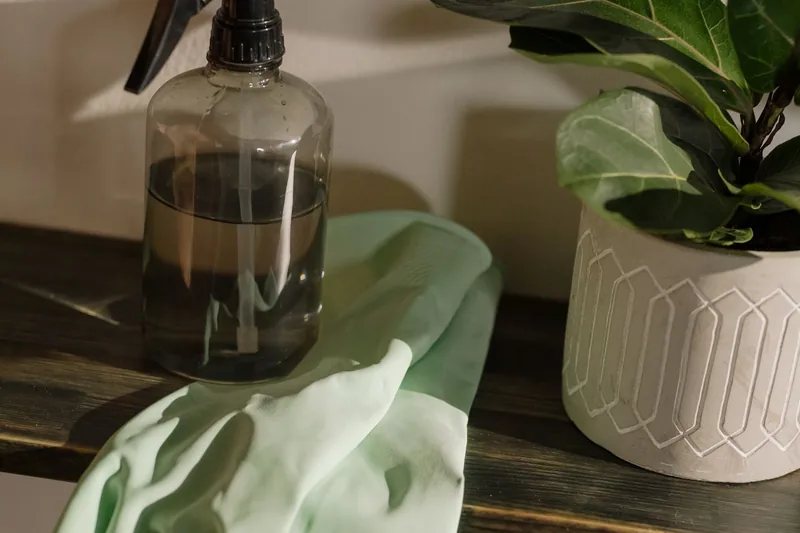
Surface cleaning with sprays or bleach misses fluids that have entered carpet padding, drywall and the subfloor. Contamination left behind causes bacteria and odors to return, so decontamination services take out the source.
Blood can support hepatitis C, HIV and hepatitis B. The CDC says hepatitis B can survive on surfaces for at least seven days.
Decomposition creates bacteria, gases and fluids that enter floors, then travel along the ventilation system into nearby rooms.
Within 24 to 48 hours, wet materials may begin growing mold. Raw sewage carries salmonella, hepatitis An and E. coli.
For death, blood, crime or hoarding, cleaning is available in apartments, high-rise units, houses and condos, along with sewage cleanup.
Learn more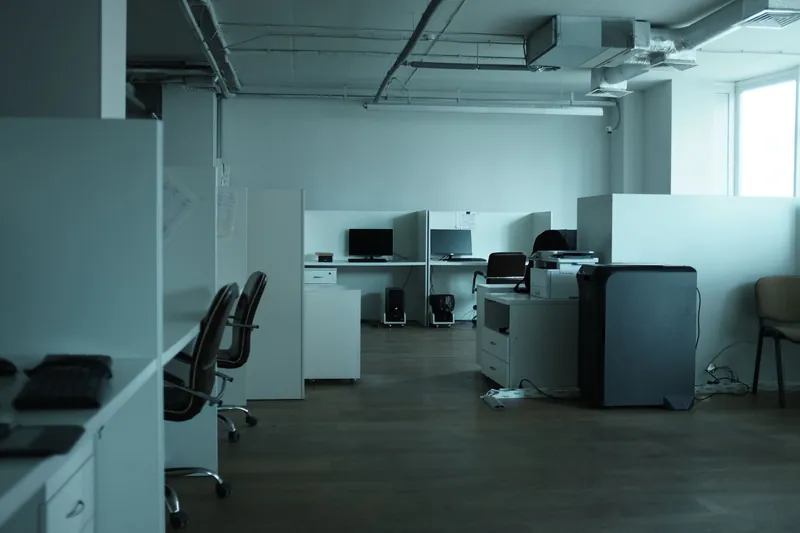
Commercial biohazard cleanup for commercial properties, after injuries, industrial accidents, break-ins or exposures, scheduled around your hours.
Learn more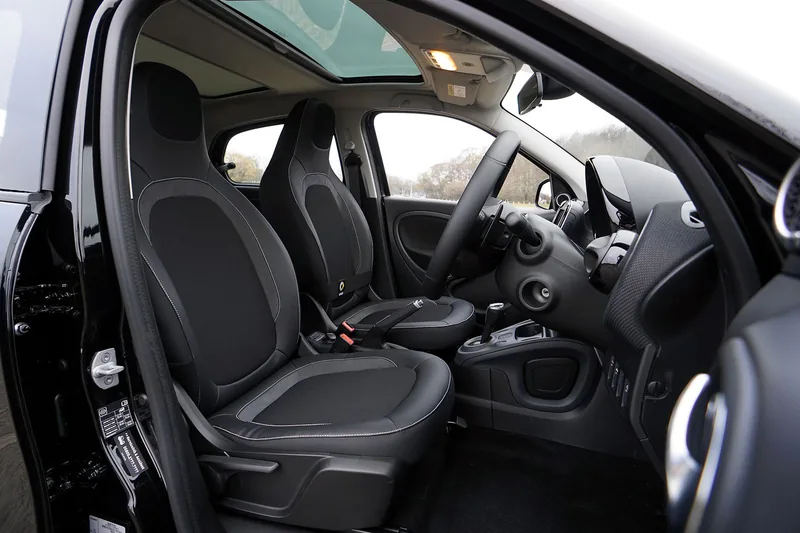
Vehicle biohazard cleanup removes blood, bodily fluids and odors from carpet, vents and seating.
Learn more
Cleanup gets a unit ready for rental use and includes records for the owner and insurer.
Learn moreChoose the cleanup page that fits your situation. If the right service is unclear, you can call for guidance.
This is an one-time experience for most people. Following the right opening steps helps protect your health while preserving your claim and cleanup cost.
Call (888) 351-0904From the initial call through the last inspection, the biohazard cleanup process follows a consistent order designed for safety.
Say what happened. You and the technicians agree on the scope after they inspect the scene and take photos.
To prevent contamination from moving elsewhere, the affected area is closed off using plastic sheeting.
To keep affected material from being left behind, technicians cut out carpet, pad, drywall and other porous items that absorbed infectious materials, then seal them as medical waste.
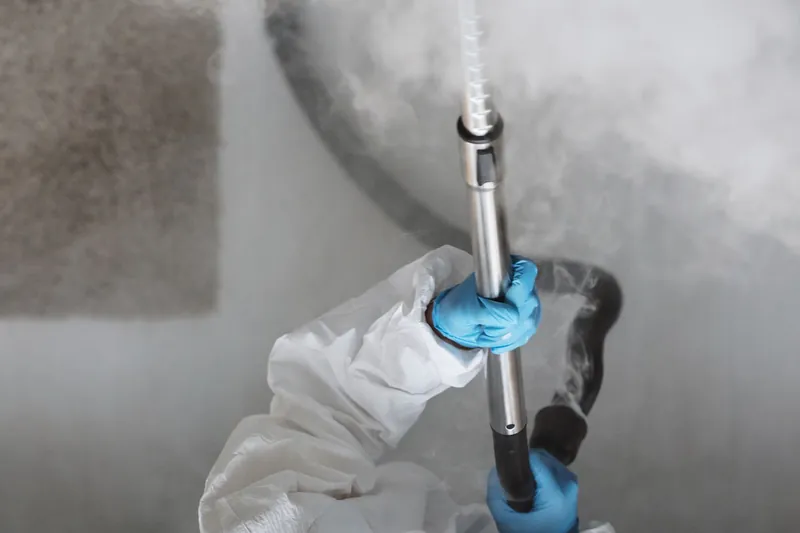
Cleaning every surface is followed by treatment with hospital-grade, EPA-registered disinfectant.
Treatment reaches the source of odors with hydroxyl, air scrubbers or ozone, followed by a check of the vents.
A permitted medical waste treatment facility receives the sealed material along with its tracking documents.
The space is inspected and, where appropriate, ATP tested to confirm a livable condition, and documentation and photos are prepared for your claim.
Rebuilding areas where drywall or floors were taken out can be done by your contractor or the insurer's vendor.
Most jobs involving residential biohazard cleanup fall in the published range of $1,800 to $8,000. A small blood cleanup may fall below $1,000, while extensive sewage, decomposition or hoarding work may exceed $20,000. The real price is set after the on-site assessment.
Yes, often. After a sudden death, crime or sewage backup, homeowners or renters insurance often covers biohazard cleanup minus your deductible.
Accidental events are commonly covered when sudden. Long-term neglect and hoarding are generally excluded. Contact your insurer ahead of any cleanup.
Victims of violent crime can ask the Oklahoma Crime Victims Compensation Program, run through the Oklahoma District Attorneys Council, about crime scene cleanup, which the Crime Victims Compensation Act lists as an allowable expense. Insurance is usually checked first.
The estate can often cover death cleanup expenses. The responsibility usually falls to a family member or executor.
For common spaces and rental properties, cleanup is typically arranged and paid for by the property owner or manager.
Call any hour. A cleanup specialist can explain the next steps for your property.
The medical examiner or a funeral home removes the body. Responsibility for later cleaning belongs to the family or property owner. A biohazard cleanup company is what most choose.
Most jobs take one to three days on site. Heavy scenes, decomposition or hoarding cleanouts can take several days to two weeks.
Some remain viable for quite a while. The CDC reports that hepatitis B remains viable on surfaces for at least seven days; dried blood should therefore be handled as infectious.
Discreet biohazard cleanup is possible. Unmarked vehicles and quiet work help crews keep the situation confidential from neighbors and building personnel.
Published pricing guides put most residential cleanup work between $1,800 and $8,000. A small blood job can be less than $1,000, while extensive hoarding or decomposition cleanup may be more than $20,000.
Your call is answered 24 hours a day, including weekends and holidays.